
Reviewed · RAINFOREST & NATIONAL PARKS
3-Day Adventure in Mulu National Park
Caves, bats, and rainforest make a fine trio. This two-night trip to Gunung Mulu National Park gives you a compact way to see one of Malaysia’s most remote UNESCO World Heritage Sites, with guided cave visits, river transport, meals, accommodation, and shared airport transfers included.
I like the way the tour combines four major caves with a Penan settlement visit. I also like the small maximum group size of six, which should make the boat rides, cave walks, and wildlife stops feel more personal. The main drawback is the tight schedule: you have only one full day for Clearwater and Wind caves, and weather or low passenger numbers can force changes.
Mulu is not a place you casually squeeze into a Malaysia itinerary. Flights are separate, the park is remote, and the experience depends on tropical weather. Still, the $376.20 price per person covers much of what makes this destination tricky to arrange alone, including local transport and two nights of lodging.
In This Review
- Key points to know before booking
- Why Mulu works best as a short, planned adventure
- Day 1: Arrival, the raised forest walk, and Deer Cave
- Day 2: Clearwater Cave, Wind Cave, and a Penan settlement
- What the small group changes
- Accommodation, meals, and what the price really covers
- Who should book this Mulu experience
- Practical tips for a smoother three days
- FAQ
- Where does the tour begin?
- How long is the experience?
- Which caves are included?
- Is airfare included?
- Are airport transfers included?
- Are meals included?
- Is the bat exodus guaranteed?
- Is there a conservation fee?
- Should you book the 3-Day Adventure in Mulu National Park?
Key points to know before booking
- The bat exodus is the signature sight: Millions of bats may stream from Deer Cave at dusk, but wildlife sightings are never guaranteed.
- Four famous caves fit into two days: You visit Deer, Lang, Clearwater, and Wind caves, each with a different character.
- A 3-kilometer raised walkway leads to Deer and Lang caves: The path crosses peat swamp forest and requires a moderate level of fitness.
- The Clearwater visit includes a river ride and swimming time: Bring suitable clothes if you want to cool off beside the clear river.
- The group is capped at six people: All services operate on a shared basis, but the small group helps keep the outing manageable.
- The Penan settlement adds a human side: At Batu Bungan, you can see aspects of Penan life and their handicraft heritage.
Why Mulu works best as a short, planned adventure
Gunung Mulu National Park rewards visitors who make the effort to get there. The park is known for huge limestone formations, rainforest, caves, and unusual plant and animal life. The figures are striking: more than 3,500 plant species, about 8,000 types of fungi, at least 170 kinds of orchids, and around 20,000 species of flora and fauna, much of it insects.
You should not expect a standard sightseeing trip with roads connecting every stop. Much of the appeal comes from moving through the forest on foot and along rivers by boat. The two-night format gives you enough time to reach the main cave systems without trying to return to a distant base each evening.
The schedule also places you in the park during the quieter early morning and late afternoon periods. Those are useful hours for watching the forest, though the package does not promise specific wildlife. You might spot insects, birds, or other creatures, but the real certainty is the setting itself.
The tour begins at Jalan Mulu Airport at 8:00 am. Your airport transfer is shared, as is transport during the land and river portions of the tour. That keeps the price under control, but you should be comfortable with a group-based schedule rather than a private car waiting whenever you wish.
More rainforest and national park trips:
- 2D1N Mount Kinabalu Climbing
★ 5.0 · 494 reviews - From Kuala Lumpur: Taman Negara National Park Trek Day Tour
★ 4.4 · 395 reviews - From Kuala Lumpur: Full-Day Taman Negara National Park
★ 4.3 · 318 reviews
Day 1: Arrival, the raised forest walk, and Deer Cave
After you arrive at Mulu National Park, the included transfer takes you to your accommodation. The first impression should be one of quiet and space. The park’s towering white cliffs rise above dense jungle, creating the dramatic backdrop that makes Mulu feel far removed from the usual Malaysian resort circuit.
The cave outing begins in the afternoon from park headquarters. You follow a 3-kilometer raised plank walk through peat swamp forest toward Deer Cave and Lang Cave. The walkway keeps you above wet ground, but it is still a proper outing, not a short stroll from a parking area. A moderate physical fitness level is required.
Deer Cave is famous for its enormous entrance and huge passage. Its scale is difficult to grasp from a photograph. The entrance is described as a world of its own, with forest, hills, valleys, plains, and even a waterfall close to the opening.
That combination of cave and rainforest is what makes Deer Cave special. You are not simply entering a dark chamber. You are moving from tropical forest into a vast limestone space shaped by water over long periods.
The cave also supports a working ecosystem. Bat guano provides food for insects, which in turn support predators. It is a useful reminder that the cave is not an empty monument. It is a living system, and the guide-led visit helps you understand how its parts fit together.
Lang Cave is smaller than Deer Cave, but it offers more concentrated detail. Here, stalactites, stalagmites, and other calcite formations decorate the walls. The scale shifts from grand to intricate, so the two caves complement one another nicely.
The evening brings the tour’s most famous event, the bat exodus. Millions of bats may leave the cave in long, twisting formations as they head out to feed. The sight can be spectacular, but it depends on conditions. You should treat it as a major possibility rather than a guaranteed show.
Plan your first day around the fact that the cave visit and bat viewing happen outdoors and on foot. Wear shoes suited to wet paths, carry water, and avoid assuming that the tropical setting means an easy walk. Dinner is included, and you spend the night in Mulu.
Day 2: Clearwater Cave, Wind Cave, and a Penan settlement
Day two begins with breakfast and a boat journey. The river transfer is not just a way to save time. It is part of the experience, taking you into another section of the park and showing why Mulu’s waterways are so important to local travel.
Clearwater Cave forms part of one of Southeast Asia’s longest cave passages. The full system reaches about 107 kilometers, making it the tenth longest in the world according to the tour information. You will explore only sections of it, but even a limited visit gives you a sense of the cave network’s extraordinary scale.
The water is clear because river water filters and purifies itself through hundreds of meters of limestone. After the cave visit, the river provides a welcome place to swim and cool off. A picnic lunch is served beside the water.
This is one of the best-balanced parts of the schedule. The cave offers geology and darkness, while the river gives you light, air, and a break from the heat. If you prefer not to swim, you can simply use the riverside stop to rest before the next activity.
Wind Cave gets its name from the cool breeze that flows from its entrance. Inside, the focus is on unusual calcite formations, including the area known as the King’s Room. The stalactites and stalagmites here are described as especially impressive and glistening.
With Clearwater and Wind caves on the same day, the pace can feel full. The boat ride, cave exploration, picnic, and settlement visit create a varied program, but there is not much spare time for wandering at your own speed. That is a fair trade for seeing so much in a remote park during only three days.
The final stop is Batu Bungan Penan Settlement. This visit gives the tour a cultural dimension that the caves alone cannot provide. You can observe aspects of Penan life and see their handicraft heritage.
Approach this stop with respect and patience. It is not a staged theme park attraction, and the value comes from learning about a community connected to the forest. The information supplied does not promise a particular performance or workshop, so think of it as a chance to observe and engage appropriately rather than a fixed cultural show.
Breakfast, lunch, and dinner are included on day two. You spend a second night in Mulu, which means you do not need to pack and move after every activity.
What the small group changes
The maximum group size is six people. That is a useful feature in a cave environment, where a guide’s explanations can be lost in a large crowd and boat seating can feel cramped.
The tour is not private. Transport on land and river is shared, and the airport transfers are shared too. Still, a cap of six gives you a better chance to hear instructions, ask questions, and stay together during the raised walkway and cave visits.
The experience includes English-speaking services. That matters in Mulu because the cave systems are more interesting when you understand how the limestone, water, bats, and forest interact. The guided format also adds a layer of safety when you are walking through unfamiliar underground spaces.
The tradeoff is less flexibility. The operator may reorganize activities because of weather or operational conditions. If the minimum number of participants is not reached, the trip can also be canceled after confirmation, with an alternative or full refund offered.
More national parks and reserves:
- Night Froggy Adventure at Kubah National Park
★ 5.0 · 71 reviews - Taman Negara National Park Day Tour (SIC – Join In Tour)
★ 4.5 · 48 reviews - Bako National Park from Kuching City
★ 4.5 · 35 reviews - Historical Niah National Park Day Trip from Miri
★ 4.0 · 27 reviews
Accommodation, meals, and what the price really covers
At $376.20 per person, the price is not simply paying for four cave entrances. It covers two nights of accommodation, meals listed in the schedule, guided activities, English-speaking services, shared airport transfers, and shared transport by land and river.
That package has real value in a remote destination. You would otherwise need to arrange lodging, park transfers, boat transport, cave visits, meals, and timing across several local services. The tour puts those pieces into one three-day plan.
The accommodation has received praise for being clean and well run, with smooth check-in and check-out service. A stay inside the national park also saves time. You are not spending the short trip commuting from a town outside the main park area.
Not every meal is included outside the stated itinerary, and optional tours cost extra. Airfare and airport taxes are also excluded. Malaysia’s tourism tax is charged directly by the hotel at RM10 per room per night, and the provided details also list MYR20 per booking. You should confirm how the hotel applies those charges when you check in.
A separate Mulu National Park conservation fee of MYR20 per person is payable directly upon arrival. These are small additions beside the main tour price, but remote trips are easier when you budget for every required charge in advance.
Who should book this Mulu experience
I would recommend this trip to you if caves, rainforest, wildlife, and unusual transport appeal more than polished resort entertainment. It suits people who want a guided introduction to Mulu without arranging each boat ride and transfer themselves.
It also works well for people with limited time. Two nights are enough to cover the main attractions, though not enough to explore every corner of the park. The schedule is especially practical if you are already planning to fly into Mulu and want the airport pickup and departure transfer handled.
Families can take part, but the physical requirements matter. The child rate applies only when a child shares with two paying adults. A child sharing with parents receives an extra roll-away bed, and the maximum room occupancy is three people, either three adults or two adults and one child aged 11 or younger.
You should be comfortable walking 3 kilometers on a raised plank path, handling cave visits, and spending time in tropical conditions. The package is described as a soft adventure suitable for all ages, but the stated moderate fitness requirement is the more useful guide.
This is not the best choice if you need a private itinerary, guaranteed wildlife, or a relaxed schedule with long free periods. It is also a poor match if you dislike shared transport or want to book flights and tour dates with complete flexibility, since the experience is non-refundable and cannot be amended after booking.
Practical tips for a smoother three days
Book well ahead if your dates are fixed. This experience is booked an average of 116 days in advance, which signals that Mulu requires more planning than a typical city day trip.
Keep your luggage manageable. The details allow a maximum of three people per room, and excess luggage charges are not included. Shared airport and river transport are easier when everyone travels light.
Bring shoes suitable for a damp forest walkway and cave visit. Carry water for the 3-kilometer walk, and keep a change of clothes available for the Clearwater river stop if you plan to swim.
Do not build your entire decision around the bats. The exodus is the tour’s most exciting possibility, and one published rating specifically praised it as spectacular, but weather and animal behavior are beyond the operator’s control.
You should also leave some flexibility around the activity order. Weather can cause changes, and the operator may reorganize the program to suit conditions. That is normal for a rainforest and river-based trip.
FAQ
Where does the tour begin?
The meeting point is Jalan Mulu Airport in Sarawak, Malaysia. The listed start time is 8:00 am.
How long is the experience?
The tour lasts about three days and includes two nights of accommodation in Mulu.
Which caves are included?
The guided program includes Deer Cave, Lang Cave, Clearwater Cave, and Wind Cave.
Is airfare included?
No. Flight tickets and airport taxes are not included in the package price.
Are airport transfers included?
Yes. Shared return airport transfers are included, along with shared transportation during the land and river activities.
Are meals included?
Meals are included according to the schedule. Day one includes dinner, day two includes breakfast, lunch, and dinner, and day three includes breakfast.
Is the bat exodus guaranteed?
No. Wildlife sightings are not guaranteed, so the bat exodus should be treated as a possible highlight rather than a promise.
Is there a conservation fee?
Yes. The Mulu National Park conservation fee is MYR20 per person and is payable directly upon arrival at the park. The hotel also collects Malaysia Tourism Tax at RM10 per room per night.
Should you book the 3-Day Adventure in Mulu National Park?
Book it if you want the main Mulu cave experience in a compact, guided package and you value having accommodation, meals, boats, and airport transport arranged together. The four caves, bat viewing, and Penan settlement create a varied program rather than a single-purpose cave tour.
Skip it if you want a private trip, guaranteed animal sightings, or plenty of unscheduled time. For the right visitor, though, the $376.20 cost is reasonable for reaching a remote park and covering its core sights in only two nights. Plan your flights carefully, pack for wet tropical conditions, and allow the forest to set the pace.
More 3-Day Experiences
- Borneo Wildlife Tour 3 Days 2 Nights At Tanjung Bulat Jungle Camp Kinabatangan
★ 4.5 · 100 reviews - Sandakan: 3D2N The Wild Heart of Borneo River Secrets
★ 4.6 · 24 reviews - (3 Days) PADI Open Water Diver Course Kota Kinabalu
★ 5.0 · 23 reviews - 3 Days 2 Nights Tanjung Bulat Jungle Camp With Gomantong cave
★ 5.0 · 8 reviews
Just added around Malaysia
- Historical Melaka Day Tour★ 4.5 · 3 reviews
- AVANI Sepang Goldcoast Resort Hotel To Kuala Lumpur International Airport KLIA KLIA2 Transfer★ 4.5 · 3 reviews
- Best Local Food Tour by Night at Kuala Lumpur★ 3.5 · 3 reviews
- Langkawi Highlights Day Tour – ATV, Mangrove Cruise & Cable Car★ 5.0 · 3 reviews
- Kinabalu Park & Poring Hot Springs Tour with Desa Dairy Farm★ 3.5 · 3 reviews
- Kota Kinabalu Half Day City Tour with Professional Tour Guide★ 4.0 · 3 reviews
- Customize Langkawi Full Day Tour (8 hrs-Private Tour)★ 3.5 · 3 reviews
- Sepilok Orangutan & Sun Bear Half-Day Tour | Sandakan★ 5.0 · 3 reviews
Rainforest & National Parks, compared.

Amazing Taman Negara Day Trip from Kuala Lumpur Including Lunch
Read our review →
2d1n Mount Kinabalu Via Ferrata – Walk The Torq
Read our review →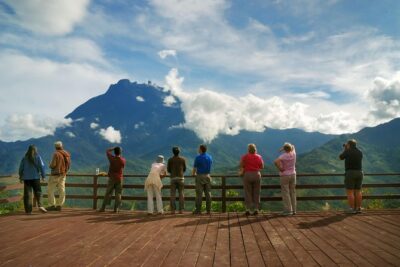
Kinabalu Park & Poring Hot Spring & Canopy Walk
Read our review →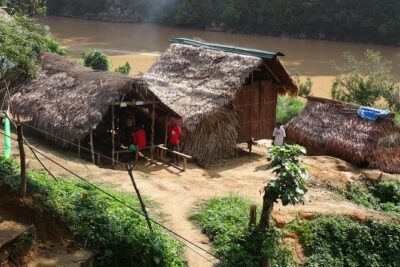
Day Tour Aborigine Village @ Rainforest Taman Negara + Batu Caves
Read our review →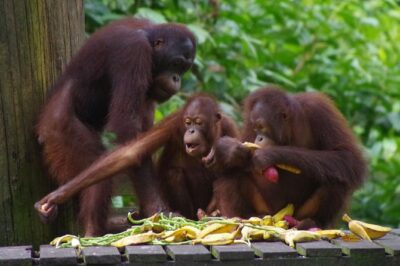
Private Full Day Sepilok Orang Utan, Bornean Sun Bear and Rainforest Discovery Center Tour
Read our review →Browse the lists this tour appears in