
Reviewed · MUSEUMS
Asia Camera Museum Admission Ticket
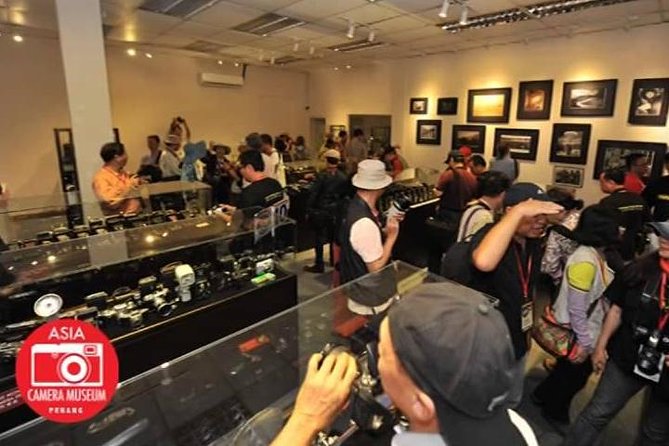
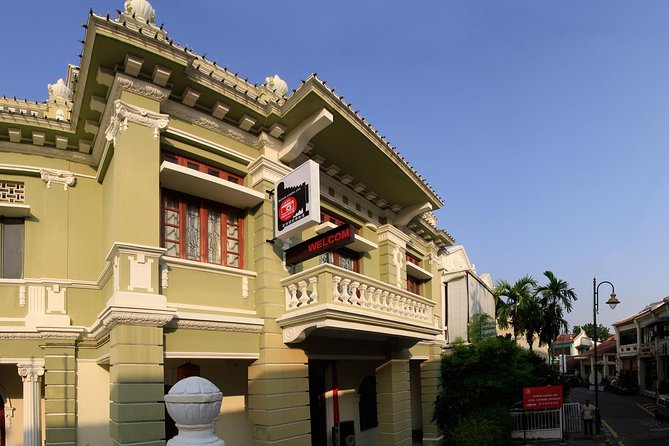
Old cameras tell surprisingly lively stories. The Asia Camera Museum in George Town turns photography into a hands-on visit, with more than 1,000 cameras, working vintage equipment, a darkroom, and a 1960s camera repair workspace. I like the chance to look through old cameras and take phone photos through some of them, and I also like the personal guided attention from staff such as May, whose enthusiasm adds warmth to the visit.
The museum is a particularly good pick for photographers, families, and anyone curious about how photographs were made before smartphones. My main caution is the short visit length: the museum takes about 30 minutes to an hour, so it works best as a focused George Town stop rather than a full afternoon attraction.
In This Review
- Key points to know before you go
- Why this small museum is worth your George Town time
- From early photography to modern cameras
- The Magic Lantern and hand-painted glass slides
- The silent movie projector powered by an oil lamp
- The darkroom explains what happened after the shutter
- Step inside a 1960s camera repair workspace
- Hands-on cameras make the visit more than a display
- How the guided format shapes your visit
- Is $6.52 good value?
- Timing, transport, and ticket details
- Who will enjoy this museum most?
- Final verdict: book it if you enjoy curious, hands-on museums
- FAQ
- Where is the Asia Camera Museum located?
- How much does admission cost?
- How long does a visit take?
- What are the museum’s opening hours?
- What is included in the admission?
- Are food and drinks included?
- Is hotel transportation included?
- Can I use old cameras during the visit?
- Does the museum have a darkroom?
- Do I need to print my voucher?
- Is the ticket refundable?
- How many people can join the experience?
- Is the museum near public transportation?
- Can most people participate?
Key points to know before you go
- More than 1,000 cameras: The collection covers cameras and related accessories from early photography through more recent equipment.
- Hands-on displays: You can touch selected vintage cameras and use some of them to create photographs with your phone.
- A working darkroom: See how film development connects to the earliest days of photography.
- Rare projection equipment: Look for an early 1900s Magic Lantern projector, hand-painted glass slides, and a 35mm silent movie projector lit by an oil lamp.
- Personal guided attention: Staff members, including May, are praised for their enthusiasm and for helping visitors use the equipment.
- Low-cost George Town stop: Admission is $6.52 per person, with a visit lasting roughly 30 minutes to one hour.
Why this small museum is worth your George Town time
George Town has no shortage of sights, but the Asia Camera Museum offers a change of pace from streets, temples, and food stops. It gives you a close look at the tools behind photography, not just a wall of framed images. That makes the visit appealing even if you are only mildly interested in cameras.
I especially like the way the museum invites you to handle selected equipment. Old cameras can look impressive behind glass, but the experience becomes more memorable when you look through one and use your phone to record the image. The result can have a pleasing old-fashioned feel, and the activity gives children and casual visitors something to do beyond reading labels.
The second strength is the human element. The staff do more than point you toward the exhibits. May is praised for her passion and clear explanations, and for helping with photographs using the older cameras. That personal approach matters in a collection filled with unfamiliar mechanisms. A short explanation can turn a strange metal box into a clever piece of engineering.
There is a practical limit. The museum is not a huge, all-day institution, and the listed visit time is only 30 minutes to one hour. If you want a long technical study of every model, you may wish for more time. For most people, though, the compact format is useful. You can fit it between other George Town stops without giving up half your day.
More museums and collections:
- Straits and Oriental Museum Ticket
★ 5.0 · 128 reviews - George Town Highlights & Upside Down Museum tours (4 Hours)
★ 4.5 · 7 reviews - Penang: Wonderfood Museum Entry Ticket
★ 4.8 · 7 reviews
From early photography to modern cameras
The museum’s main display traces the development of cameras and photographic equipment across time. You will see more than 1,000 items, along with related accessories, giving the collection enough range to show how photography changed from a specialist process into an everyday habit.
The value here is comparison. Early cameras were often large, complex, and tied to a slow process. Later equipment became easier to carry and operate. Seeing different generations together helps you understand that change in a direct way, especially if your own camera experience begins with a phone.
You should not expect every object to receive a long technical explanation. The collection is broad, and your visit will be guided through the highlights. If one period interests you most, use the staff’s help to ask questions and spend your time where it matters to you.
The museum suits curious beginners as well as serious camera fans. You do not need to know the difference between every format to enjoy the displays. At the same time, photographers may appreciate the chance to see older mechanical designs and accessories at close range.
The Magic Lantern and hand-painted glass slides
One of the most unusual displays is a rare Magic Lantern projector from the early 1900s. It is shown with an antique large-format, hand-painted glass colour slide, an object that connects photography and early visual entertainment in a way modern screens rarely do.
The hand-painted slide deserves a close look. It reminds you that colour and movement once depended on physical materials and careful craft. Before digital images could be adjusted with a few taps, a picture might involve glass, paint, light, and a projection device.
This is the sort of exhibit that gives the museum character. It is not simply another camera in a long row. The projector shows how images were displayed and shared, adding context to the cameras themselves.
Because the visit is short, ask the guide to explain how this equipment was used if the display catches your attention. A few minutes here may be more rewarding than rushing through every case.
The silent movie projector powered by an oil lamp
Another unusual object is a 35mm silent movie projector illuminated by an oil lamp and gear. It offers a physical reminder of how early films were shown, when projection depended on a mechanical system rather than a digital file and electric convenience.
The oil lamp detail makes this display especially memorable. It shows how much equipment had to work together to put moving images on a screen. The projector also broadens the museum’s subject. You are not only seeing still photography, but also the equipment used to present images in motion.
For children, this may be one of the easiest objects to understand. A camera can look like a mysterious box, while a movie projector invites an immediate question: how did this make pictures move? For adults, it offers a quick link between early photography and cinema.
Do not expect a full film screening to be part of the visit. The attraction here is the projector itself and the explanation around it.
A few more Malaysia trips worth weighing up
- Penang Plates Food Tour with 15+ Tastings
★ 4.9 · 734 reviews - Half-Day Penang Countryside Cycling Tour
★ 4.5 · 454 reviews - Penang: Flexible 6-Hours Highlights
★ 5.0 · 378 reviews - George Town, Penang: Malay Countryside Cycling
★ 4.7 · 287 reviews
The darkroom explains what happened after the shutter
The darkroom is one of the most useful parts of the museum because it covers the stage many people forget. Taking a photograph was only the beginning. Film then had to be developed, processed, and handled with care.
A visit to the darkroom helps you understand why older photography demanded patience. A digital image appears almost at once, but film photography involved a chain of steps before you could see the result. The display gives that process a physical setting rather than treating it as an abstract technical idea.
I find this especially helpful for visitors who use a phone or digital camera every day. You can see how much photographic technology has changed without needing a long lecture. The contrast between instant results and darkroom work makes the shift easy to grasp.
The darkroom is also a good reason to visit even if individual camera models do not interest you. It explains the craft behind the image and gives the collection a clearer purpose.
Step inside a 1960s camera repair workspace
The camera repair workspace shows tools used by a camera repairer in the 1960s. This display shifts attention from taking photographs to maintaining the machines that made them possible.
Older mechanical cameras often depended on small parts, careful adjustment, and hands-on repair. The tools help you picture the patience required to restore equipment before modern service systems and digital diagnostics. You can play around with the tools in the display, adding another physical element to the visit.
This section may appeal most to people who enjoy machinery, craftsmanship, or restoration. You do not need repair skills to appreciate it. The point is to see the work behind a camera that looks simple from the outside.
It also adds a human scale to the museum. The collection is not only about famous objects or major inventions. It includes the practical work of keeping cameras usable, which is a less glamorous but important part of photographic history.
Hands-on cameras make the visit more than a display
The hands-on element is the museum’s clearest advantage. You can touch and feel selected vintage cameras, look through older equipment, and use your phone to capture images through functional cameras.
That activity changes the pace. Instead of walking from case to case, you can pause and test how an older camera frames a scene. The effect can create interesting retro-style photographs, and staff can help you get a usable shot.
You should still handle the equipment carefully and follow the staff’s instructions. These are historic objects, not ordinary props. The fact that the museum permits a practical experience is valuable, but it also means you should treat each item with care.
This is where the museum works particularly well for mixed groups. A committed photographer can study the equipment, while someone less interested in technical details can enjoy the activity and take a few unusual photos.
How the guided format shapes your visit
The experience is presented as a guided visit rather than a purely self-directed walk through displays. That is helpful because the collection includes equipment that may not be self-explanatory.
May has received special praise for her explanations, enthusiasm, and willingness to help with photographs. Staff may also offer general suggestions for things to do around Penang, which can be useful if you are still planning your George Town day.
A guided format has one drawback: you may not move at your own pace. If you prefer to read every label slowly or focus on one narrow area, you may need to ask for extra time or return to an exhibit after the explanation.
The maximum group size is 15 people. That keeps the experience relatively personal compared with a large museum tour, though the exact feel will depend on how many people are present when you arrive.
Is $6.52 good value?
At $6.52 per person, this is an easy attraction to add to a George Town day. The price is modest, especially when you consider that admission includes the collection, guided attention, hands-on displays, and the darkroom and repair workspace.
The strongest value comes from the interaction. If the museum only offered rows of old cameras, the price would depend heavily on your interest in equipment. Because you can handle selected cameras and make photographs through them, the visit offers more than passive viewing.
I would not book it as a major standalone attraction if your main goal is a full-day museum program. The visit lasts about 30 minutes to one hour, and food, drinks, transportation, and hotel transfers are not included. Think of it as a compact cultural stop with a clear subject.
For photographers, the price is particularly attractive. For families, it is a low-cost activity that can break up sightseeing. For casual visitors, the personal explanations and unusual projection equipment make the admission easier to justify.
Timing, transport, and ticket details
The museum is open daily from 10:00 AM to 6:00 PM during the stated operating periods, from April 1, 2025 through March 31, 2026, and from April 1, 2026 through March 31, 2027. That gives you plenty of flexibility for a morning visit, a midday break, or an afternoon stop.
The museum is near public transportation, so you do not need to arrange a hotel pick-up or drop-off. Those services are not part of the admission, and the experience is designed as a visit to the museum itself.
Confirmation is sent at booking. You are required to print the confirmation voucher and present it at the ticketing counter to receive the actual admission ticket. That is worth remembering if you normally rely only on a phone screen.
The experience is booked, on average, 11 days ahead. That does not mean you must plan far ahead for every visit, but it suggests that booking before your George Town day may be sensible, especially if your schedule is tight.
The admission is non-refundable and cannot be changed for any reason. I would confirm your sightseeing plans before paying, since cancelling or requesting an amendment does not result in a refund.
Who will enjoy this museum most?
I would recommend the Asia Camera Museum first to people who enjoy photography, vintage machines, visual culture, or small specialist museums with a personal touch. The hands-on displays make it accessible even if you do not know much about camera technology.
Families may also find it useful, particularly because the visit includes activities rather than only written information. Children can look through old equipment and take phone photographs, while adults can focus on the development of cameras and film.
It is also a good choice for a hot afternoon or a short gap between other George Town plans. The visit is compact, indoors, and easy to fit into a wider day.
You may want to skip it if you are not interested in photography, old equipment, or museum demonstrations at all. The collection is broad, but the subject remains specific. You should also avoid expecting a large national museum or a long cinematic presentation.
Final verdict: book it if you enjoy curious, hands-on museums
I would book the Asia Camera Museum if you want a reasonably priced, focused stop in George Town with more personality than a standard display of objects. The best parts are the guided explanations, the chance to use vintage cameras with your phone, the darkroom, and the rare projection equipment.
The main trade-off is scale. You will probably finish within an hour, and the visit depends on your interest in cameras and photographic processes. That is not a weakness if you treat it as a compact addition to your day.
Book it for the experience of seeing, handling, and understanding old photographic equipment. If you are a photographer, it is an easy recommendation. If you are simply curious, the enthusiastic guidance and hands-on approach give you a good reason to stop.
FAQ
Where is the Asia Camera Museum located?
The museum is in George Town, Malaysia.
How much does admission cost?
Admission costs $6.52 per person.
How long does a visit take?
The visit lasts approximately 30 minutes to one hour.
What are the museum’s opening hours?
The museum is open Monday through Sunday from 10:00 AM to 6:00 PM during the stated operating periods.
What is included in the admission?
The admission ticket includes entry to the Asia Camera Museum.
Are food and drinks included?
No. Food and drinks are not included.
Is hotel transportation included?
No. Hotel pick-up and drop-off are not included.
Can I use old cameras during the visit?
Yes. The museum includes hands-on displays where you can touch selected vintage cameras and take phone photographs through some functional older equipment.
Does the museum have a darkroom?
Yes. The museum has a darkroom display explaining how film was developed.
Do I need to print my voucher?
Yes. You must print your confirmation voucher and present it at the ticketing counter to redeem the actual admission ticket.
Is the ticket refundable?
No. The experience is non-refundable and cannot be changed for any reason.
How many people can join the experience?
The activity has a maximum group size of 15 people.
Is the museum near public transportation?
Yes. The museum is near public transportation.
Can most people participate?
Yes. Most people can participate in the activity.
Just added around Penang
- Malaysia: Explore the World of Food at Wonderfood Museum Penang★ 4.5 · 3 reviews
- Penang Half Day City Tour Including Tropical Spice Garden★ 4.5 · 3 reviews
- Georgetown Highlights Half Day Penang City Tour(5 hours)★ 5.0 · 3 reviews
- Penang : Straits & Oriental Museum Admission Ticket★ 5.0 · 3 reviews
- Penang Island: Street Food Walking Tour★ 5.0 · 3 reviews
- Private Tour: Full Day Round Penang Island Tour★ 3.5 · 4 reviews
- Penang Airport Transfer★ 5.0 · 4 reviews
- Penang: Exciting Local Half Day Private tour 6-10pax(5Hours)★ 5.0 · 4 reviews
Museums, compared.
Quirky Art Museum called Ur-Mu in Bukit Bintang, KL
Read our review →
Best of Kuala Lumpur City Tour Including National Museum and National Monument
Read our review →

George Town Highlights & Upside Down Museum tours (4 Hours)
Read our review →
Treasures Of The Far East-Malacca, Museum, Trishaw Ride(Private)
Read our review →
Islamic Arts Museum Admission with Kuala Lumpur Famous Landmarks
Read our review →Browse the lists this tour appears in