
Reviewed · IPOH TOURS
Ipoh Cave Temples Tours
Ipoh hides three very different cave temples. This outing gives you time to see them at an easy pace, with a local guide who explains the sites instead of simply pointing you toward the next stop. I especially like the included hotel pickup and local-style breakfast, plus the chance to stop for photos, feed fish and tortoises, and enjoy Ipoh’s famous white coffee.
The best part is guide Fazly, whose friendly humor and practical help have made this tour a hit. He has helped visitors with onward travel tips, brought out snacks, and taken extra time with families. The main drawbacks are the 450 steps at one temple, some rubbish around the caves, and the extra RM30 entry fee for Mirror Lake.
In This Review
- Key points to know before you book
- Why these cave temples belong on an Ipoh day
- The 450 steps and Ipoh from above
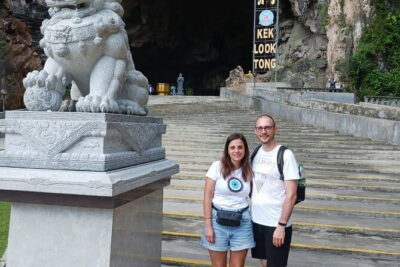
- Perak Tong, one of the most impressive stops
- Sam Poh Tong and its graceful pagoda
- The oldest cave temple and its Chinese character
- A cave tour that leaves room for local life
- Mirror Lake adds a calm finish
- Why the guide can make or break this outing
- Value, extra costs, and practical preparation
- Who should book the Ipoh cave temples tour?
- FAQ
- Where does the Ipoh Cave Temples Tour take place?
- How many cave temples will I visit?
- Do all three cave temples require climbing 450 steps?
- What can I see from the 450-step climb?
- Is Mirror Lake included?
- Is breakfast included?
- Is hotel pickup provided?
- What language is the tour conducted in?
- What should I wear and bring?
- Can I cancel for a full refund?
Key points to know before you book
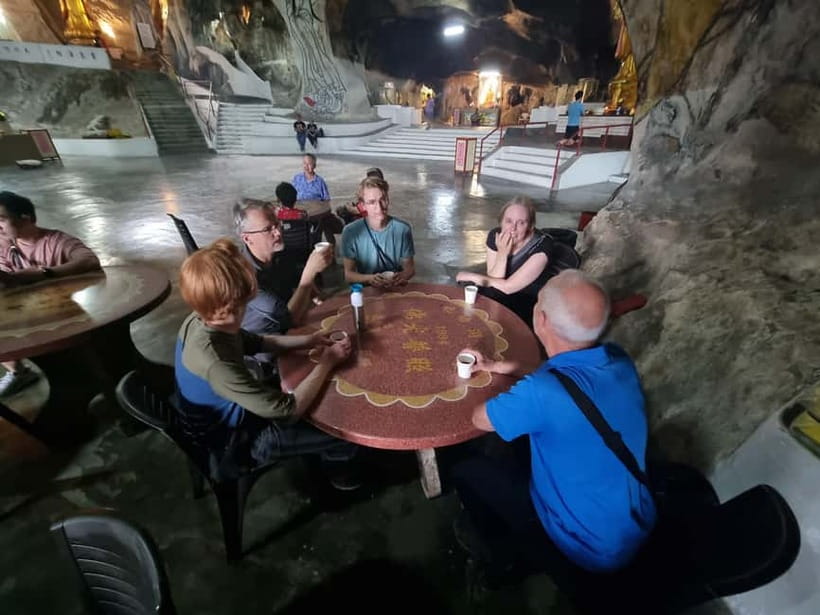
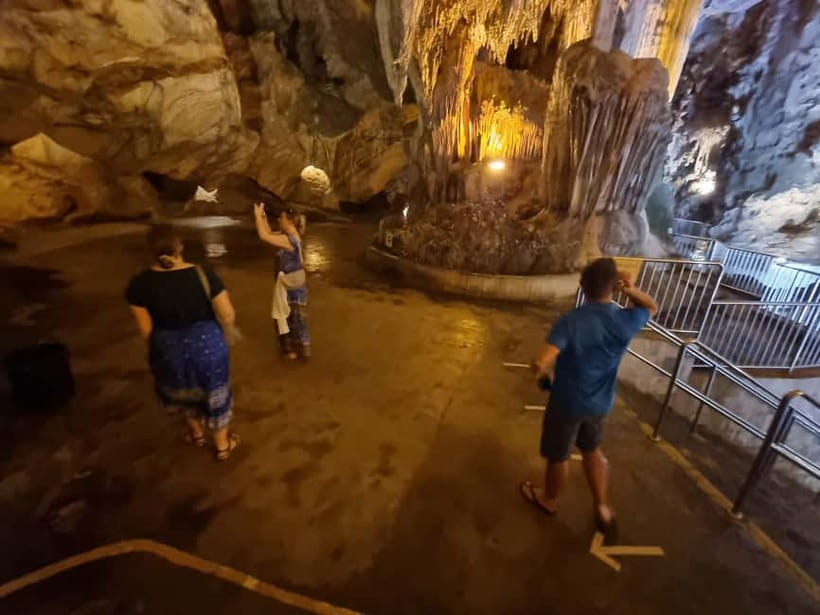
- Three caves, three different moods: Expect a lookout reached by 450 steps, a cave with stalagmites and stalactites, and Ipoh’s oldest cave temple with Chinese-style features.
- Fazly adds real personality: He is praised for his humor, patience, local food suggestions, cultural explanations, and help with onward travel.
- A relaxed pace: You are encouraged to stop for photographs and look around rather than rush from one temple to another.
- Breakfast can be included: If your accommodation does not provide breakfast, the tour includes a local-style morning meal.
- Mirror Lake costs extra: The entry ticket is RM30 per person, paid at the counter.
- Bring sensible shoes: One temple involves a 450-step climb, so comfortable footwear and light clothing matter.
Why these cave temples belong on an Ipoh day
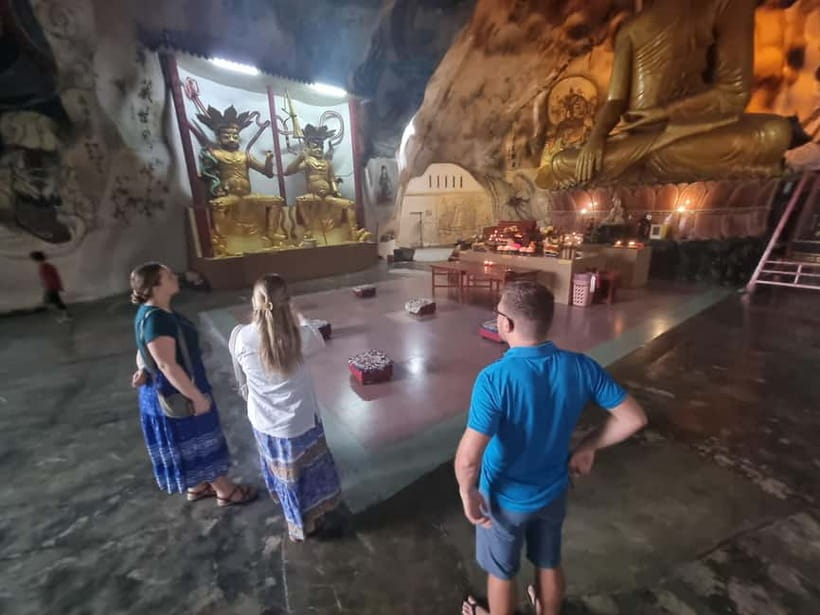
Ipoh’s cave temples are not interchangeable photo stops. Each one offers a different look at how religious buildings, limestone formations, gardens, statues, and old Chinese design have come together around the town.
I like this tour because it gives you a simple way to compare all three in one outing. You do not need to arrange several rides or work out which temple deserves your time. Pickup from your hotel or accommodation is included, and the guide walks with you through the sites.
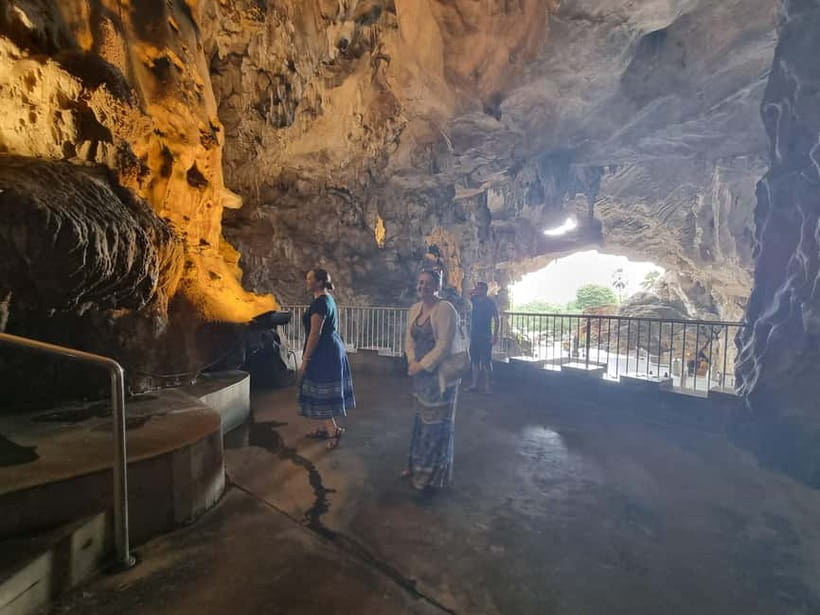
The focus is not just on reaching the next stop. You have time to take pictures and enjoy the natural details inside the caves. That slower approach matters here. Cave temples reward patience. A quick visit may give you a few statue photographs, while a slower look lets you notice the stone shapes, painted surfaces, stairways, and views.
You should also set your expectations correctly. These are working religious and tourist sites, not polished museum displays. One site may look worn, and some areas may have rubbish. The decoration can also feel very bright and crowded if your taste runs toward plain historic buildings. That is part of the honest picture.
A few more Malaysia trips worth weighing up
- Cameron Highland Best Day Tour from Ipoh with Lunch ( Day Trip)
★ 5.0 · 466 reviews - Ipoh Gua Tempurung, Caves Temples, Mirror Lake and Castle Tours
★ 5.0 · 57 reviews - Cameron Highlands Full-Day Tour from Ipoh with Lunch
★ 5.0 · 52 reviews
The 450 steps and Ipoh from above
One of the three temples requires a climb of about 450 steps. The reward is a view over Ipoh and the surrounding area, but the climb is a real part of the outing rather than a tiny walk to a viewpoint.
I would treat this as a moderate physical challenge. You do not need to race upward, and the guide’s unhurried style helps. Still, you should wear shoes with a good grip and clothing that feels comfortable in warm weather. If stairs are difficult for you, this stop deserves careful thought before booking.
The climb also changes the rhythm of the day. The lower temple area gives you time to look at the cave and its religious features, while the steps provide a more active stretch. At the top, you can pause for the view and photographs instead of being hurried back to the vehicle.
The view is one of the tour’s strongest payoffs, but it is not the only reason to visit. The climb gives you a better sense of how the cave temple is tied to the limestone setting. You are not simply looking at a building placed beside a road. The rock itself shapes the visit.
Perak Tong, one of the most impressive stops
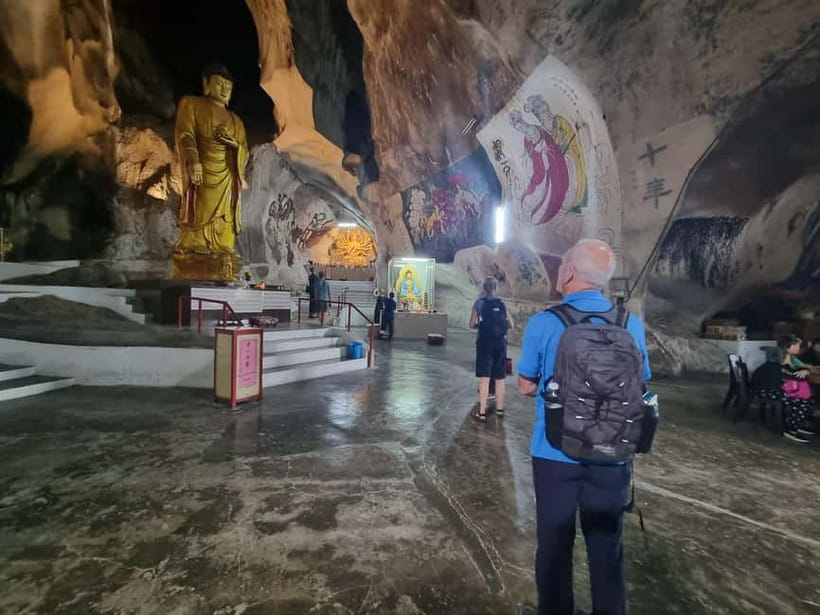
Perak Tong is specifically praised for its impact, and it is easy to see why it earns special attention on this route. It combines a cave setting with religious art and a sense of scale that makes it more than a quick stop for pictures.
Your guide can help explain what you are seeing and point out details that might otherwise pass unnoticed. That is useful in a cave temple, where statues, painted areas, stone surfaces, and religious symbols can compete for your attention.
I would allow yourself time here rather than treating Perak Tong as a simple introduction to the day. The tour is designed to let you explore at your own speed, and this is one of the places where that pays off. You can take photographs, pause in the cave, and ask questions as they come up.
The site may not feel perfectly maintained in every corner. If you prefer pristine attractions, you may notice worn areas or litter. Still, the setting and scale make Perak Tong an important part of the visit, especially with a guide who takes time to explain the temple instead of reducing it to a name on a schedule.
Sam Poh Tong and its graceful pagoda
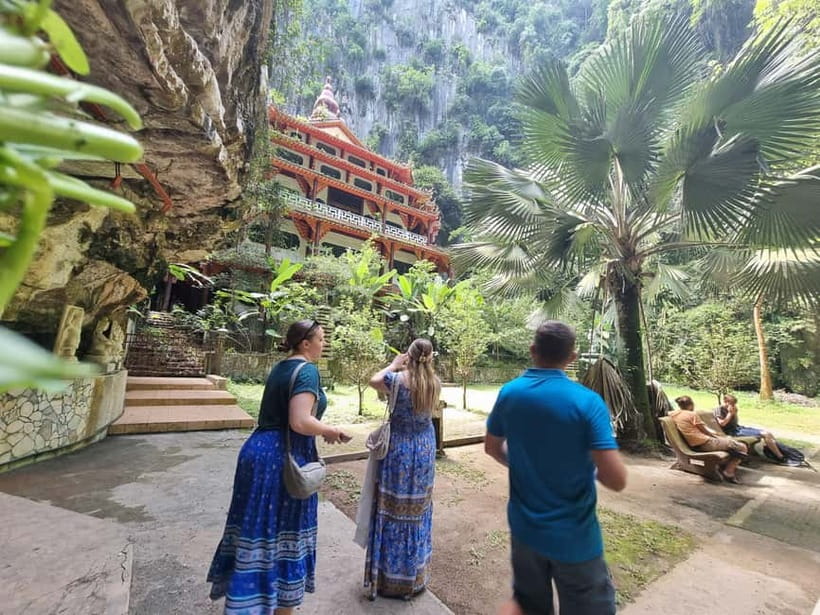
Sam Poh Tong provides a different visual experience. Its pagoda is one of the memorable features, and it gives the visit a more architectural focus than the natural stone formations found elsewhere.
The temple’s design also helps show why these sites feel distinct from one another. You are not visiting three copies of the same cave. Sam Poh Tong has its own arrangement, decorative style, and relationship with the surrounding rock.
Families may appreciate the slower pace here. One family outing included time to feed fish and tortoises, which gives children something to do beyond looking at temple details. These small moments can make the day feel more personal, though you should see them as part of the guide’s approach rather than a guaranteed formal activity.
The pagoda is worth photographing, but try not to let the camera take over. Look at how the structure sits within the temple grounds and cave setting. Fazly has been praised for showing people what is available at each stop, which is useful when a site has several corners that are easy to miss.
A completely different sort of day out from Ipoh:
- Private Tour: Ipoh Secrets Full Day Heritage Tour from Ipoh
★ 5.0 · 43 reviews - Mossy Forest in Brinchang Tour
★ 4.5 · 34 reviews - Cameron Highland Private Day Tour From Ipoh
★ 5.0 · 33 reviews - Full Day Mossy Forest Experience
★ 4.5 · 23 reviews
The oldest cave temple and its Chinese character
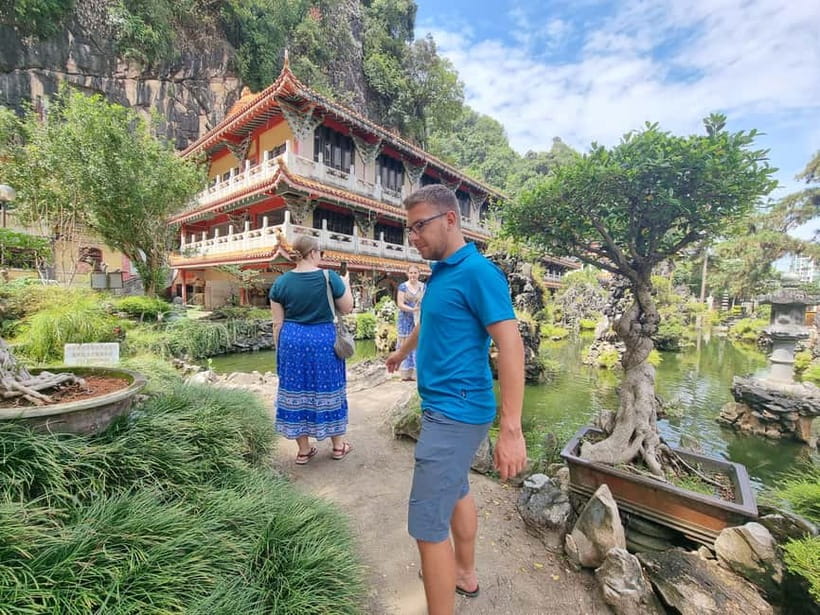
The third temple is described as the oldest cave temple in Ipoh. Its structure has features more commonly associated with China, making it a valuable stop for anyone interested in the Chinese cultural influence found in Perak.
This temple is less about a single dramatic climb and more about seeing a style that feels different from the other two. The contrast is the point. One cave gives you a high viewpoint, another draws attention to stalagmites and stalactites, and this oldest site focuses more strongly on its traditional structure and long history.
A guide is especially helpful here. Without context, you might see an unusual roofline, statue, or cave feature without understanding why it matters. Fazly is regularly praised for answering questions and explaining the temples in a friendly way.
The wording about Chinese-style construction should not lead you to expect a perfectly preserved historic monument. Some parts may feel worn, and the sites can be visually garish to visitors used to quieter European religious buildings. I would approach the temple as a living cultural place with layers of use, decoration, and age.
A cave tour that leaves room for local life
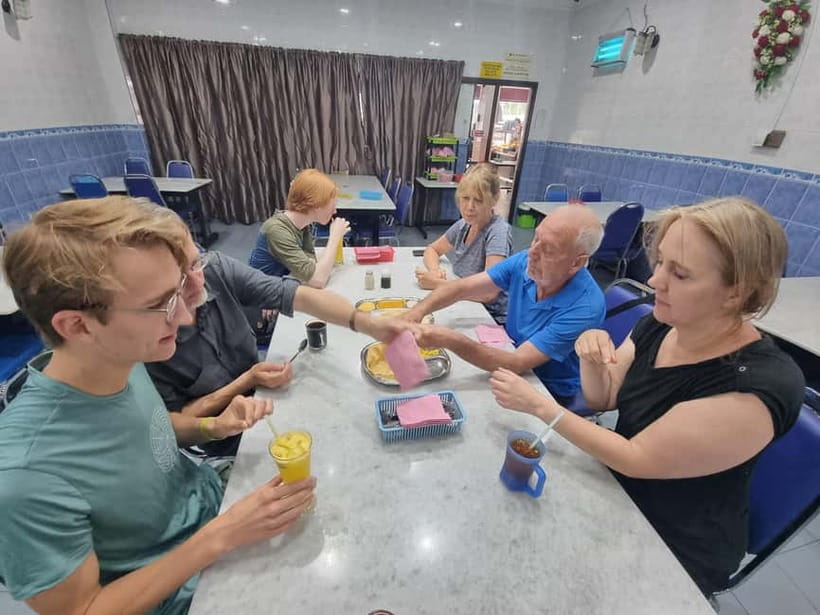
The itinerary has a welcome food angle. If your accommodation does not include breakfast, you can have a local-style breakfast as part of the experience. That makes the morning more useful than a simple drive between attractions.
The exact dishes are not specified, so you should not book expecting a particular menu. What you can expect is a chance to try local food with someone who knows the area. The guide has also introduced visitors to snacks, pomelo, white coffee, and other tastes connected with Ipoh.
White coffee is a natural highlight. It is one of the local specialties most closely associated with Ipoh, and several outings ended with a cup. You may also have the opportunity to visit a pomelo farm, though this should not be treated as a guaranteed stop for every departure.
The food helps connect the caves to the town. You are not spending the whole day inside religious sites without seeing anything of local daily life. Breakfast, snacks, and coffee give the outing a more grounded feel.
Mirror Lake adds a calm finish
Mirror Lake is included as part of the experience, but its entry ticket is separate. The stated price is RM30 per person, paid at the counter. That extra charge is important when you compare the total cost with other Ipoh excursions.
The lake offers a change of pace after the temples and the 450-step climb. Instead of religious artwork and stone interiors, you get a quiet natural setting where the water and surrounding rock become the focus. It is a good place to slow down, take photographs, and simply sit with the scenery.
A boat ride has formed part of some outings, and the nearby cafe has also been praised for its food. Since the only listed extra charge is the Mirror Lake ticket, confirm locally what any boat ride or additional activity costs before you commit to it.
For me, Mirror Lake makes the route feel better balanced. The temples supply culture, architecture, and religion. The lake gives you a peaceful outdoor pause. If you are mainly interested in cave temples and want the lowest possible price, the added ticket may feel less essential. If you like mixing cultural stops with nature, it is a sensible addition.
Why the guide can make or break this outing
The strongest feature of this tour is its guide service. Fazly is repeatedly described as funny, friendly, professional, and accommodating. He has answered detailed questions, given onward travel advice, brought out food for children, and taken extra time at the temples.
That matters because cave temples are not always easy to read on your own. You may understand the broad idea, but a local guide can help you notice the differences between the sites and make sense of their cultural setting.
His style also suits people who dislike rigid sightseeing. You are encouraged to explore, take photos, and enjoy the scenery without being pushed along. Families can benefit from that flexibility, and solo visitors may appreciate having an easy conversation partner during the drive and walks.
The guide’s personality is still a personal fit. If you want a silent private transfer with minimal explanation, this may feel more social than necessary. If you like questions, jokes, food tips, and local suggestions, Fazly’s approach is a major reason to book.
Value, extra costs, and practical preparation
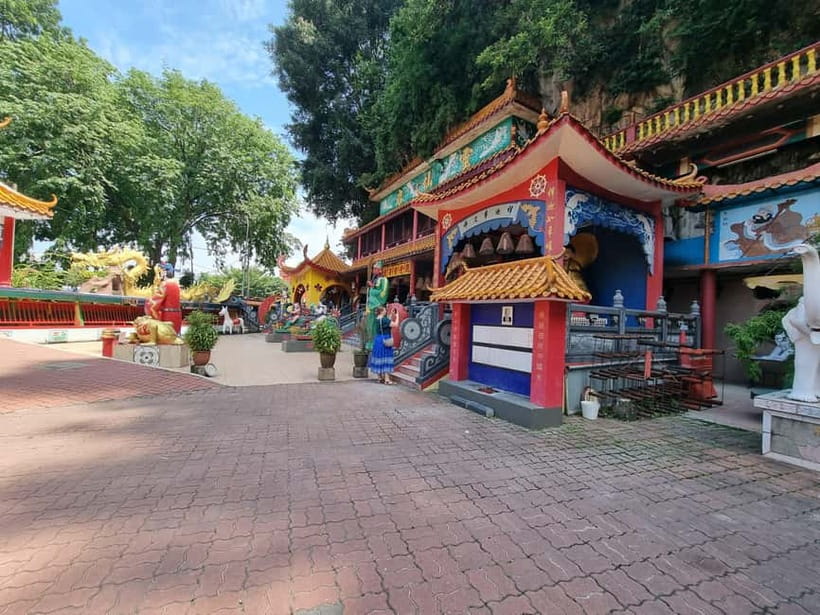
The value comes from combining hotel pickup, breakfast when needed, a bottle of small mineral water, three cave temples, and Mirror Lake in one organized day. You are paying for transport, local guidance, and the time saved by not planning the route yourself.
The RM30 Mirror Lake fee is not included, so add it to your budget. Food beyond the included breakfast, cafe purchases, and any activity not clearly covered should also be treated as extra.
Bring:
- Comfortable walking shoes
- Light, comfortable clothes
- Money for the Mirror Lake ticket and personal food or drinks
- A phone or camera for the viewpoints, caves, pagoda, and lake
The tour is conducted in English. Pickup is provided from your hotel or accommodation, but the available information does not state the duration, group size, or exact pickup time. Ask for those details before paying if they affect your plans.
You can reserve now and pay later, which helps if your Ipoh schedule is still changing. Cancellation is allowed up to 24 hours before the experience for a full refund.
Who should book the Ipoh cave temples tour?
I would recommend this outing to first-time visitors who want to see several major cave temples without arranging separate transport. It also suits families, curious food lovers, photographers, and anyone who prefers a flexible guide over a fast checklist.
The tour is less suitable if you dislike stairs, want perfectly maintained historic sites, or prefer a highly polished attraction with no litter or worn surfaces. The 450-step climb is not optional if you want the viewpoint, and the temple decoration may feel loud or overdone to some people.
If you can manage the climb and accept that these are lived-in, imperfect religious places, the combination is strong. You get three clearly different cave experiences, local food, a friendly guide, and a peaceful lake finish. I would book it for the guide and variety, then treat the 450 steps and RM30 lake ticket as the two details to plan around.
FAQ
Where does the Ipoh Cave Temples Tour take place?
The tour takes place in Ipoh, in the Malaysian state of Perak.
How many cave temples will I visit?
You will visit three cave temples, each with different features and character.
Do all three cave temples require climbing 450 steps?
No. One of the three temples includes about 450 steps to a viewpoint. The supplied information does not state that the other two require the same climb.
What can I see from the 450-step climb?
The climb leads to a viewpoint where you can see the town of Ipoh and the surrounding scenery.
Is Mirror Lake included?
Mirror Lake is included in the tour experience, but its entry ticket costs RM30 per person and must be paid at the counter.
Is breakfast included?
If your accommodation does not provide breakfast, the tour includes a local-style breakfast.
Is hotel pickup provided?
Yes. Pickup is provided from your hotel or accommodation.
What language is the tour conducted in?
The tour is conducted in English.
What should I wear and bring?
Bring comfortable shoes and comfortable clothes. Shoes are especially important because one temple involves about 450 steps.
Can I cancel for a full refund?
Yes. You can cancel up to 24 hours in advance for a full refund.
Just added around Ipoh
- Lost World of Tambun Amusement and Water Park Admission Ticket★ 3.5 · 3 reviews
- UNESCO Archaeological Heritage Of The Lenggong Valley from Ipoh★ 5.0 · 4 reviews
- Private Tour: Ipoh Secrets Taiping Heritage & Orang Utan Island★ 4.5 · 6 reviews
- Cameron Highlands Private Day Tour from Ipoh, Package B★ 5.0 · 11 reviews
- Full Day Private Ipoh Tour★ 5.0 · 12 reviews
- Full Day Mossy Forest Experience★ 4.5 · 23 reviews
- Cameron Highland Private Day Tour From Ipoh★ 5.0 · 33 reviews
- Mossy Forest in Brinchang Tour★ 4.5 · 34 reviews
Ipoh Tours, compared.
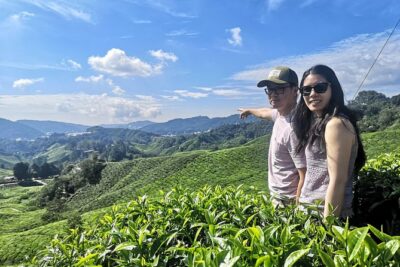
Cameron Highland Best Day Tour from Ipoh with Lunch ( Day Trip)
Read our review →
Ipoh Gua Tempurung, Caves Temples, Mirror Lake and Castle Tours
Read our review →
Cameron Highlands Full-Day Tour from Ipoh with Lunch
Read our review →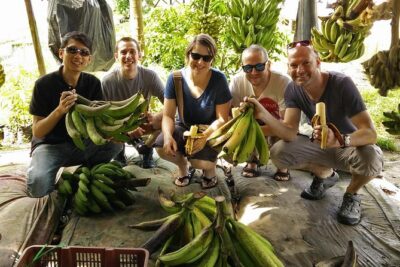
Private Tour: Ipoh Secrets Full Day Heritage Tour from Ipoh
Read our review →
Browse the lists this tour appears in