
Reviewed · HISTORICAL TOURS
Walk & Discover KL’s Architectural and Heritage Gems
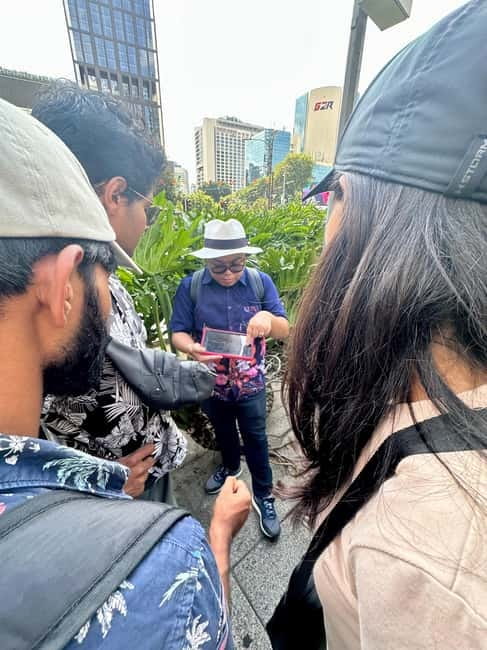
KL rewards people who look up. This three-hour walk turns Kuala Lumpur’s façades, arcades, shophouses, murals, and modern towers into a readable city story. I especially like the small groups of up to six, which give you room to ask questions, and the way the route joins famous sights such as the Petronas Towers and KLCC with quieter streets and older buildings.
I also like the specialist focus. Guides such as Haziq and Hazfa Seri Utama bring an architectural and preservation angle, not just a list of dates. The main drawback is simple: this is a walking tour in a hot, wet city, and it is not suitable for people with mobility impairments or pregnant women.
In This Review
- Key points at a glance
- Why architecture gives you a better KL introduction
- Meeting at Avenue K beside KLCC
- From major towers to smaller architectural details
- Colonial buildings, Art Deco arcades, and old shophouses
- Cultural tiles, murals, and modern interventions
- A guide who can answer more than design questions
- The pace, weather, and physical demands
- Is $74 good value for three hours?
- Who will enjoy this walk most
- My booking advice
- FAQ
- Where does the tour meet?
- How long does the walking tour last?
- What languages are available?
- How large is the group?
- What is included in the price?
- What should I bring?
Key points at a glance
- Look beyond the Petronas Towers: The route connects major KL sights with smaller streets, Art Deco details, shophouses, murals, and cultural tile patterns.
- Learn from a local specialist: Guides explain how architecture reflects Malaysia’s multi-ethnic past and Kuala Lumpur’s modern ambitions.
- Small group, personal pace: The group is limited to six, and guides can respond to your questions and interests.
- Plan for three to three and a half hours: The advertised duration is three hours, though one completed walk lasted about three and a half hours.
- Rain or shine: Water and rain ponchos are provided on rainy days, but you should still bring an umbrella, hat, and comfortable shoes.
- Good first-day orientation: The walk helps you understand KL’s layout and gives useful suggestions for cafés, galleries, and further architectural stops.
Why architecture gives you a better KL introduction
Kuala Lumpur can seem like several cities placed on top of one another. Colonial-era buildings sit near modern towers. Chinese and Indian cultural influences appear in shopfronts, street patterns, decorative tiles, and public spaces. New art and design projects keep changing the way older districts are used.
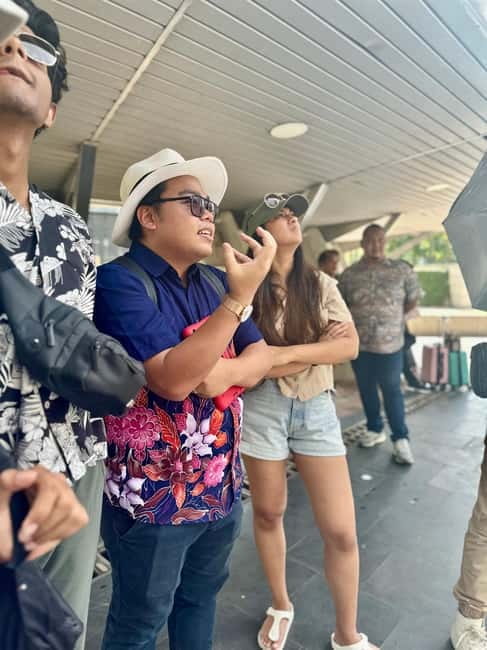
This tour gives you a way to read those layers. Instead of simply pointing at a building, the guide asks you to consider why a façade looks the way it does, how a block developed, and what has been preserved or changed. That makes the city easier to understand after the walk has ended.
You do not need an architecture degree. Marina from Ireland found the architectural focus rewarding even without a background in the subject, and that is the right expectation here. The guide uses buildings as a way into Malaysian culture, society, development, and preservation.
I would schedule this near the start of your KL stay. Mark, from the United States, took the tour on his first day and found it useful for understanding the city’s layout and general history. The walk is not just sightseeing. It can help you decide which districts, buildings, galleries, and cafés deserve more time later.
More history on the ground:
- From Kuala Lumpur: Historical Melaka Day Tour with Lunch
★ 4.4 · 2,297 reviews - Historical Malacca Guided Day Tour (Shared Tour)
★ 5.0 · 2,172 reviews - Kuala Lumpur: Batu Caves & Historic Buildings Tour
★ 4.7 · 539 reviews
Meeting at Avenue K beside KLCC
The meeting point is the main entrance and main drop-off lobby of Avenue K Shopping Mall, next to the H&M store. This is a practical starting point because it places you near the KLCC area and some of the city’s best-known modern architecture.
Arrive with enough time to find the correct entrance. A large shopping mall has several doors and internal routes, so the H&M reference matters. The guide provides a safety briefing before setting off, then the walk moves through Kuala Lumpur on foot.
Hotel pickup and drop-off are not included. You need to make your own way to Avenue K, and you should not bring oversize luggage. A small day bag is a better choice, especially because the route includes city walking rather than a vehicle-based transfer.
From major towers to smaller architectural details
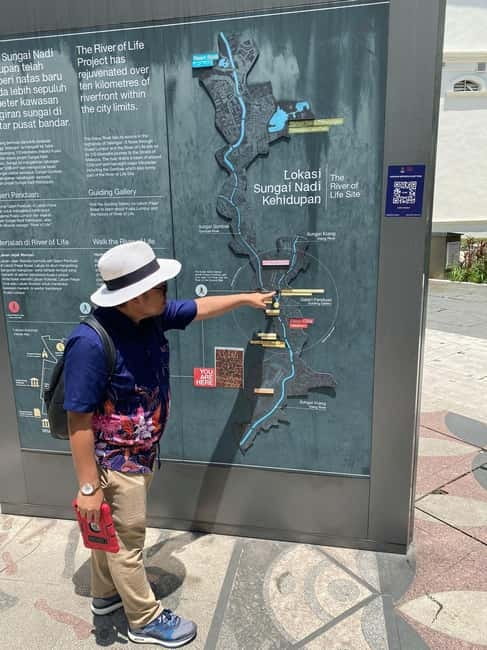
The route includes key KL sights such as the Petronas Towers, KLCC, and the Le Nouvel building, according to the experience details shared by past participants. These major structures give the walk an immediate sense of scale. You see the polished, forward-looking side of the city before paying closer attention to the streets and buildings around it.
The real value comes from the contrast. A famous tower is easy to photograph on your own. It is harder to understand how that tower fits into the surrounding city, or how modern design relates to older building traditions. The guide helps connect those views.
You may also pass through blocks lined with old shophouses, art installations, and green walkways. The route is designed to make you notice smaller features that are easy to miss when you are rushing between headline attractions. Look at the upper floors, window shapes, tile patterns, covered walkways, and changes between adjoining buildings.
The details are not presented as decoration alone. They help explain how different communities, eras, and building styles have shaped KL. That is what makes this more useful than a standard photo walk.
Colonial buildings, Art Deco arcades, and old shophouses
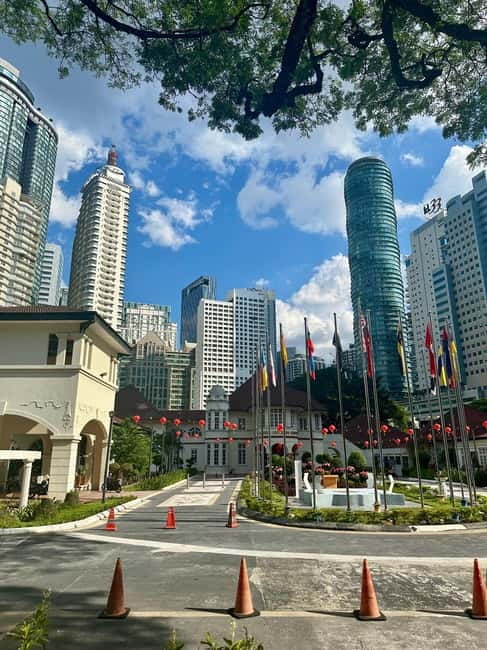
Historic and colonial landmarks form an early part of the walk. You will examine how older structures fit into the modern city, then continue through streets where traditional shophouses sit alongside newer work.
The tour also includes Art Deco architecture. An Art Deco arcade can be easy to miss if you are focused on traffic, shop signs, or your phone. Here, the guide encourages you to stop and notice its geometry, façade, and relationship to the street.
Shophouses are especially important for understanding Kuala Lumpur. They are not just attractive backdrops. Their design reflects practical urban life, commercial activity, and the way older districts were built around narrow blocks and connected streets. The guide’s professional interest in heritage preservation adds useful context about why such buildings matter and what can be lost when a city changes too quickly.
You should expect the emphasis to be interpretive rather than theatrical. The pleasure is in asking questions and taking time with details. One participant specifically appreciated having time to talk and take in the architecture. That slower pace will suit you if you would rather understand a place than collect a quick series of photographs.
More walking tours on foot:
- Kuala Lumpur Local Street Food Private Walking Tour by Night
★ 4.5 · 224 reviews - 2d1n Mount Kinabalu Via Ferrata – Walk The Torq
★ 5.0 · 90 reviews - Kinabalu Park & Poring Hot Spring & Canopy Walk
★ 4.5 · 80 reviews - 2d1n Kinabalu Park & Poring Canopy Walk & Desa Cow Farm Tour
★ 5.0 · 35 reviews
Cultural tiles, murals, and modern interventions

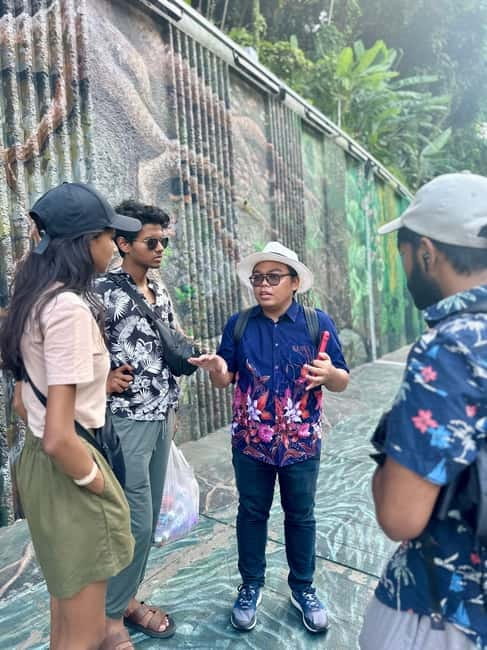
The walk does not treat heritage as something frozen in the past. It also looks at contemporary murals, art installations, green walkways, and newer additions to older parts of the city.
Cultural tile patterns are one example of the kind of detail you might encounter. These features can show how design carries cultural meaning into public spaces. Modern interventions, meanwhile, reveal how KL is trying to add new uses and new visual ideas without losing every trace of its earlier identity.
This mix is one of the strongest parts of the experience. You get a more honest picture of Kuala Lumpur than you would from a tour focused only on colonial monuments or only on skyscrapers. The city’s identity is still being made, and the guide helps you see that process in the streets.
The route may also suit photographers who enjoy texture and contrast. You can expect plenty of material for pictures, from grand towers to small decorative details. Still, this is not designed as a dedicated photography workshop. The main purpose is learning, so you should be ready to put the camera down when the guide is explaining a building or street.
A guide who can answer more than design questions
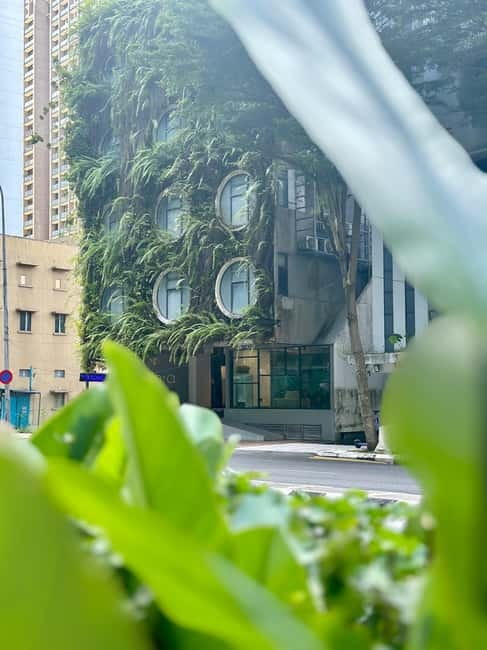
The strongest praise goes to the guides. Haziq is described as warm, patient, and deeply interested in architecture, heritage, and preservation. Hazfa is also praised for being kind, welcoming, and well informed.
That matters because a good architecture walk can easily become too technical. Here, the subject reaches into Malaysia’s culture and society. You can ask about development, preservation, the city’s layout, or the reasons behind a building’s appearance.
The guide also offers personal suggestions for cafés, galleries, and favorite architectural stops. Those recommendations can be useful after the walk, especially if your schedule is short. You are not simply handed a fixed speech and sent along. The small group format makes it easier to ask for suggestions that match your interests.
One completed tour had only one participant, creating an especially personal experience. Another had five people, and the group still enjoyed the walk together. The maximum of six is a useful middle ground: intimate enough for conversation, but not dependent on having a private booking.
Languages offered are English, Malay, and Indonesian. Check the available language when booking if that affects your plans.
The pace, weather, and physical demands
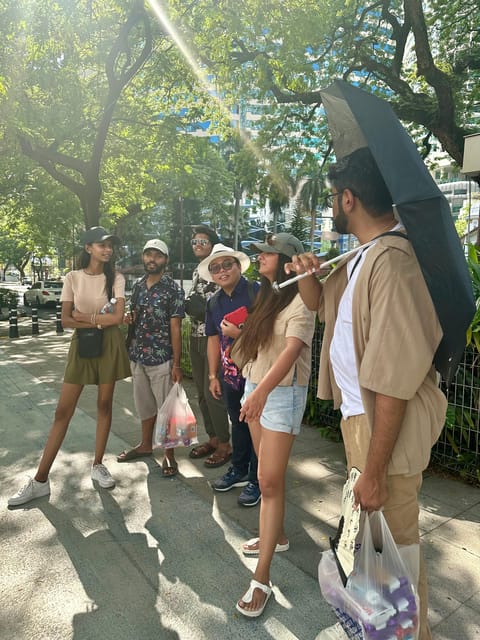
The stated duration is three hours, with one reported walk lasting around three and a half hours. That extra half-hour is not necessarily a problem. It may reflect time spent answering questions, pausing for photos, or taking a short rest.
The guide has a relaxed approach to breaks. One participant noted that stopping to sit for a while was fine. That makes the tour more manageable, but you should still judge the physical demand realistically. You will be walking through the city for several hours, and the route is not suitable for people with mobility impairments.
KL’s weather also deserves planning. The walk takes place rain or shine, though shelter is available along the route. Bottled water is included, and rain ponchos are provided on rainy days. Even so, bring an umbrella, hat, and shoes that can handle a wet pavement.
I would wear light, comfortable clothing and carry cash for small purchases or later café stops. Bring your passport or ID card as requested. Do not arrive with a suitcase or large backpack, since oversize luggage is not allowed.
Is $74 good value for three hours?
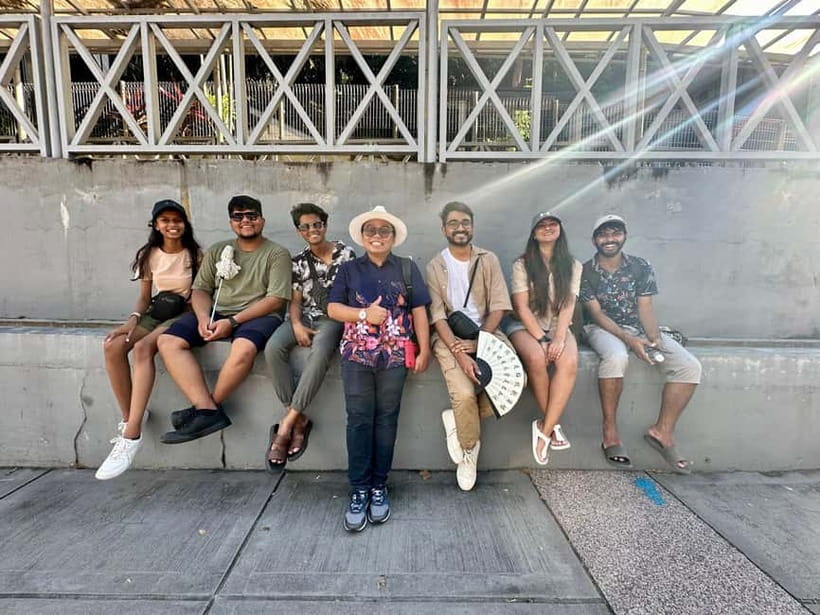
At $74 per person, this is not the cheapest way to see Kuala Lumpur. You can walk around KLCC and photograph major landmarks without paying a guide. The price needs to be judged by what the guide adds.
For an architecture enthusiast, heritage-minded visitor, or first-time visitor who wants context, the cost is easier to justify. You receive three hours with a specialist local guide, a small group capped at six, bottled water, weather support, and recommendations for places to continue exploring.
The value is strongest if you ask questions. A passive participant may feel the price is high for a city walk. An interested participant can use the guide to understand buildings, connect different parts of KL, and shape the rest of a short visit.
It is also a good choice for a business visitor with limited time. Marina found that the three-hour format worked well during a business trip because it packed a lot of sightseeing and learning into one manageable session. You get an overview without giving up an entire day.
Free cancellation up to 24 hours before the start gives you some flexibility, and you can reserve now and pay later. Check the available start times before booking, since the duration is fixed but departure times vary.
Who will enjoy this walk most
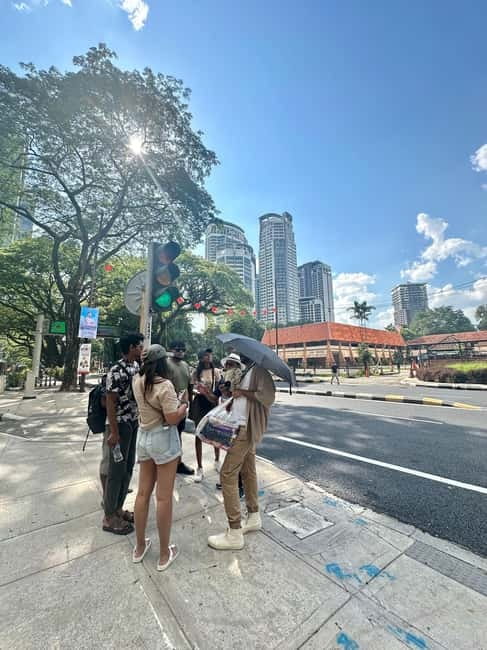
I would recommend it to:
- First-time visitors who want to understand KL before exploring alone
- People interested in architecture, urban design, and heritage preservation
- Photographers who enjoy façades, tiles, arcades, murals, and street details
- Business visitors with only a few free hours
- Repeat visitors who want something beyond the usual tower-and-mall circuit
- Small groups who prefer conversation over a large guided outing
You do not need specialist training. Curiosity matters more than technical knowledge. If you prefer a fast tour with constant movement and little explanation, this may feel too slow. The walk is built around looking carefully, stopping often enough to talk, and asking why a place looks the way it does.
It is also not a good fit if you need step-free access or cannot comfortably walk for several hours. Pregnant participants are specifically excluded from the activity, and anyone concerned about the physical demands should choose another way to see KL.
My booking advice
Book this tour near the beginning of your Kuala Lumpur stay if you want a useful city orientation with real architectural context. The combination of Petronas Towers, KLCC, Le Nouvel, historic buildings, shophouses, murals, and smaller streets gives you a broad look at how the city works.
I would choose it over a generic sightseeing walk if you enjoy asking questions and noticing design details. I would skip it if your main goal is simply to visit indoor attractions or avoid walking in uncertain weather.
The best reason to book is the guide’s subject knowledge paired with a small, flexible group. Haziq and Hazfa receive strong praise for making architecture approachable and connecting it to Malaysian history, society, and preservation. At $74, you are paying for interpretation, not just distance covered. If that sounds worthwhile, this is a thoughtful and unusually useful introduction to KL.
FAQ
Where does the tour meet?
Meet at the main entrance and main drop-off lobby of Avenue K Shopping Mall, next to the H&M store.
How long does the walking tour last?
The advertised duration is three hours. One completed walk lasted about three and a half hours.
What languages are available?
The live guides can lead the tour in English, Malay, or Indonesian.
How large is the group?
The tour is limited to six participants.
What is included in the price?
The price includes an expert local architectural guide for three hours, bottled water, a rain poncho on rainy days, and personal recommendations for cafés, galleries, and architectural stops.
What should I bring?
Bring your passport or ID card, an umbrella, a hat, cash, and comfortable shoes. Oversize luggage is not allowed.
Just added around Malaysia
- Historical Melaka Day Tour★ 4.5 · 3 reviews
- AVANI Sepang Goldcoast Resort Hotel To Kuala Lumpur International Airport KLIA KLIA2 Transfer★ 4.5 · 3 reviews
- Best Local Food Tour by Night at Kuala Lumpur★ 3.5 · 3 reviews
- Langkawi Highlights Day Tour – ATV, Mangrove Cruise & Cable Car★ 5.0 · 3 reviews
- Customize Langkawi Full Day Tour (8 hrs-Private Tour)★ 3.5 · 3 reviews
- Kinabalu Park & Poring Hot Springs Tour with Desa Dairy Farm★ 3.5 · 3 reviews
- Kota Kinabalu Half Day City Tour with Professional Tour Guide★ 4.0 · 3 reviews
- Sepilok Orangutan & Sun Bear Half-Day Tour | Sandakan★ 5.0 · 3 reviews
Historical Tours, compared.
Historical Malacca Guided Day Tour (Shared Tour)
Read our review →
Historical Malacca Day Tour from Kuala Lumpur (Private Tour)
Read our review →
Private Half-day Batu Caves and Cultural Tour Kuala Lumpur *2026*
Read our review →
Malacca Historical Private Tour With Personal Chauffeur
Read our review →Browse the lists this tour appears in