
Reviewed · STREET FOOD TOURS
Kuala Lumpur Food Tour Through Chow Kit
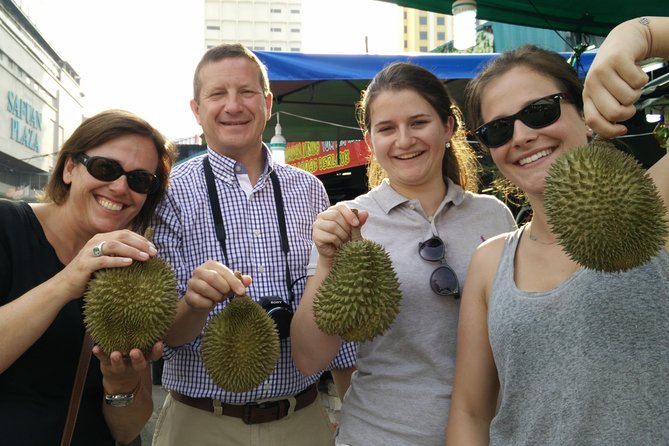
Chow Kit rewards an appetite for real Kuala Lumpur. This four-hour food walk takes you through the Chow Kit Wet Market, colonial-era streets, and three local food stops, with at least ten tastings along the way. I like the mix of eating and city history, and I like that the small group, capped at ten people, leaves room for questions. The guides, including Danny, Ezy, Pauline, Jasmin, and Mimi, are praised for making the route friendly and personal.
The main caution is the market itself. The meat section can feel confronting, and the walk asks you to handle heat, crowds, and changing weather. Come hungry and open-minded, wear good shoes, and tell the guide about dietary needs before the tour begins.
In This Review
- Key points to know before you book
- Why Chow Kit is a good place to eat your way through Kuala Lumpur
- Starting at Chow Kit Monorail Station at 3:30pm
- Walking through Chow Kit Wet Market
- Three stops and at least ten Kuala Lumpur specialties
- Malay flavors, heritage food, and the value of a guide
- Ending with nasi kandar, roti, and pulled tea
- Is $75 a fair price?
- Practical advice for the four-hour walk
- Who will enjoy this Chow Kit food tour?
- Should you book the Chow Kit food tour?
- FAQ
- How long does the Kuala Lumpur food tour last?
- Where does the tour begin?
- Where does the tour end?
- How much food is included?
- Is a vegetarian option available?
- How many people can join the tour?
- What should I bring and wear?
Key points to know before you book
- The 3:30pm start works well: You eat through the afternoon and finish with dinner at a Mamak restaurant.
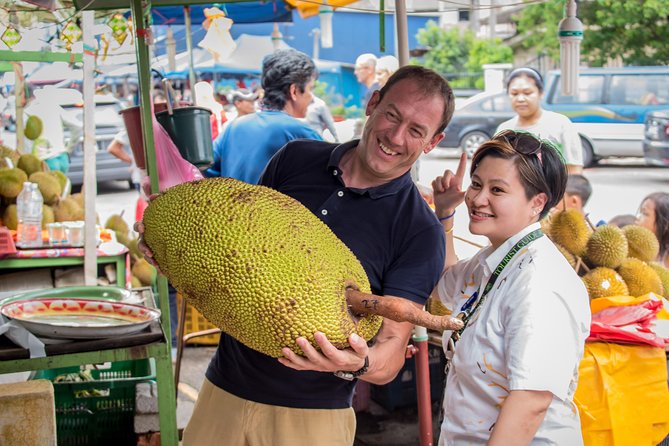
- At least ten local tastings are included: The food ranges from Malay specialties and heritage dishes to Indian Muslim favorites.
- Chow Kit Wet Market is the heart of the route: You see how local ingredients are sold, not just how finished dishes appear on a plate.
- The small group matters: With no more than ten people, it is easier to ask how to order, eat, and identify unfamiliar foods.
- The final stop is Mohd. Yaseem Nasi Kandar Restaurant: The experience ends with Indian rotis and Malaysia’s famous pulled tea.
- The $75 price includes food, drinks, dinner, and the guide: It is strongest value if you want several tastings plus local context in one outing.
Why Chow Kit is a good place to eat your way through Kuala Lumpur
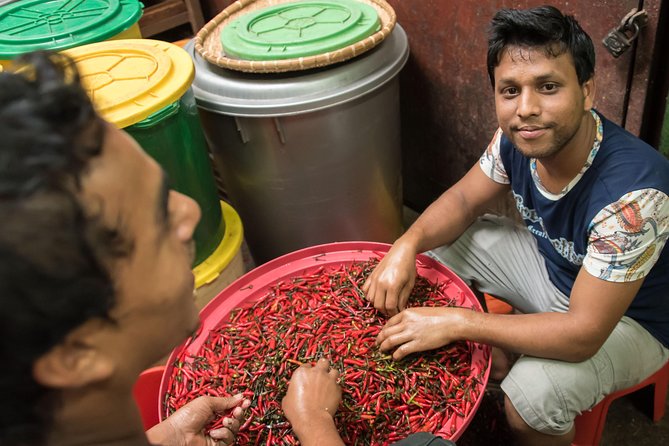
Kuala Lumpur is not a city where the best food is confined to polished dining rooms. Some of its most useful food lessons happen at market counters, family-run stalls, and simple restaurants where you need to watch what locals do.
That is the appeal of this route through Chow Kit. You are not only handed a plate and told its name. You walk through one of the city’s best-known market districts, learn about ingredients, and get help with the small practical matters that can make Malaysian food easier to enjoy.
Your guide is locally born and raised in Kuala Lumpur. That matters here. A local guide can explain how Malay food fits into Malaysian culture, point out the difference between familiar and heritage dishes, and help you order at places where menus may not be designed for first-time visitors.
I also like the way the tour combines food with the city’s built environment. Between tastings, you see pre-war and colonial buildings in Chow Kit. The result is not a food crawl with the city as background decoration. The neighborhood itself is part of the meal.
More Food & Drink in Kuala Lumpur
- Sambal Streets Kuala Lumpur Food Tour with 15+ Tastings
★ 5.0 · 2,438 reviews - Kuala Lumpur: Sambal Street Food Tour with 15+ Tastings
★ 4.9 · 1,657 reviews - The 10 Tastings of Kuala Lumpur With Locals: Private Street Food Tour
★ 5.0 · 249 reviews
Starting at Chow Kit Monorail Station at 3:30pm
The meeting point is by a convenience store near Chow Kit Monorail Station, close to the Hilton Garden Inn Kuala Lumpur Jalan Tuanku Abdul Rahman South. This is a useful starting point because the area is served by public transportation, and you do not need hotel pickup to reach it.
The tour begins at 3:30pm and lasts about four hours. That timing gives you a useful bridge between afternoon snack and evening meal. You should eat lightly beforehand, or not at all if you are comfortable arriving very hungry. At least ten tastings, drinks, and dinner can add up quickly.
A small group of no more than ten people is a real advantage in a market district. You can stay close to the guide, hear explanations, and ask about ingredients without trying to speak over a large crowd. The tradeoff is that the tour requires at least two people per booking, so it is not designed for a solo booking unless you arrange to join someone else.
Guides named in the experiences include Danny, Ezy, Pauline, Jasmin, and Mimi. The exact guide depends on the date, but the pattern is clear: the guide is central to the experience. Danny is especially praised for working well with a family that included an eight-year-old child, while Ezy was described as warm and immediately welcoming. Jasmin and Mimi also received praise for their enthusiasm and local knowledge.
Walking through Chow Kit Wet Market
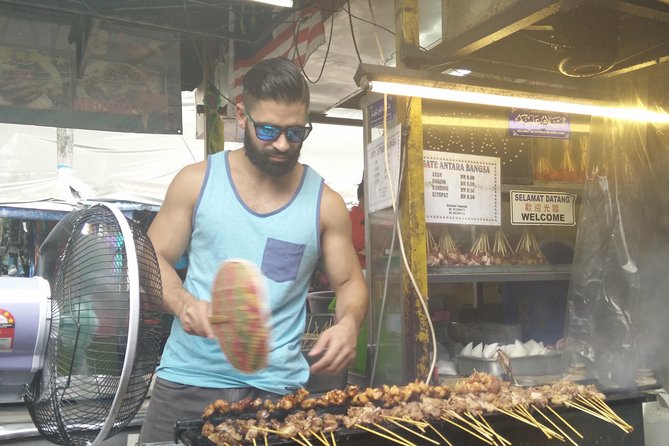
The wet market is where this tour becomes more than a list of tastings. You see fruit, vegetables, meat, and other ingredients in the place where people shop for daily cooking. The guide helps connect those raw products to the foods you later eat.
For someone interested in Malaysian cooking, this is one of the most useful parts of the afternoon. You can ask how ingredients are used, what is seasonal, and which foods are common in Kuala Lumpur. You also get a better sense of the work behind a dish that might look simple once it reaches your table.
The market is not arranged for tourism. That is both its strength and its challenge. It can be noisy, crowded, wet, and strongly scented. The meat area may be too much for some people, especially if you are not used to traditional markets. One person found the backstreet setting and meat section overwhelming despite having a good guide.
I would not book this route expecting a polished food hall. The market is part of the point. If you want to see a working local market and can accept a little discomfort, it adds depth. If you dislike raw meat displays or crowded food areas, you should think carefully before booking.
Three stops and at least ten Kuala Lumpur specialties
The food portion includes at least three outlets and at least ten varieties of local and heritage food. The exact selection can change, so you should treat the route as a guided introduction rather than a fixed menu.
That flexibility is useful. Food stalls may sell out, weather can affect the route, and the guide may know that one stall is serving a better version on a particular day. You are encouraged to ask questions and listen to the guide’s suggestions about what to try.
One tasting described in the tour experiences begins at a local sweet cart. Small cakes and a peanut butter tasting pancake were part of the early food stop. This gives you a gentle opening if you are new to Malaysian flavors, with snack-sized portions before the more unfamiliar dishes appear.
The tastings also include fruit and vegetables, along with prepared foods from local stalls. Pauline’s route through the wet market was especially useful for anyone who wanted help identifying produce and understanding how it fits into Malaysian meals.
You should not expect ten full restaurant portions. That would be far too much food in four hours. The better way to think about it is a sequence of small samples, drinks, and a final meal. You get range rather than one large plate.
More Food in Kuala Lumpur
- Kuala Lumpur Local Street Food Private Walking Tour by Night
★ 4.5 · 224 reviews - Eat Like a Local: Kuala Lumpur Hawker Center and Street Food Tour by Night
★ 5.0 · 198 reviews - Kuala Lumpur: Local Street Food Night Tour
★ 4.5 · 162 reviews - Laksa Lanes Kuala Lumpur Food Tour with 14+ Tastings
★ 5.0 · 148 reviews
Malay flavors, heritage food, and the value of a guide
Malaysia’s food culture is shaped by several communities, and this route reflects that. The experience introduces Malay cuisine and local heritage dishes, then finishes in a Mamak Indian Muslim restaurant. That final shift is important because it shows how Kuala Lumpur’s food culture crosses community lines.
Your guide can also help with eating and ordering customs. This is useful when a dish is unfamiliar or when you are unsure how strongly to season it, what to combine it with, or how much to take at a stall. You are asked to keep an open mind, which is sound advice for a tour built around local food rather than familiar Western choices.
The guide’s personality can shape your day. The strongest experiences here seem to come from guides who treat the route as a conversation instead of a script. Danny allowed a family to move at its own pace, while Mimi helped create the feeling of seeing the area through a local’s eyes.
I would ask questions throughout the walk. Ask what a dish is made from, how it is normally eaten, and which foods are especially associated with Kuala Lumpur. The tour specifically encourages this, and you will get more value if you speak up rather than quietly follow the group.
Ending with nasi kandar, roti, and pulled tea

The official end point is Mohd. Yaseem Nasi Kandar Restaurant on Jalan Tuanku Abdul Rahman. The tour finishes at a Mamak Indian Muslim restaurant selling Indian rotis and Malaysia’s signature pulled tea.
This makes sense as the final stop. After several small tastings, you finish with food that feels more like a meal, while the tea provides a memorable closing ritual. Pulled tea is poured between containers to create a frothy drink, and seeing it served helps give the ending a sense of place.
The end point is on Jalan Tuanku Abdul Rahman, in the same general Chow Kit area. There is no hotel drop-off, so you will need to make your own way back afterward. That is a small inconvenience, but the tour ends in a well-connected part of Kuala Lumpur rather than far outside the central city.
Alcohol is not included. Beverages and dinner are included, but you should not assume that means alcoholic drinks. The food is the focus, and the final Mamak stop is a better fit for a casual local meal than for nightlife.
Is $75 a fair price?
At $75 per person, this is not the cheapest way to eat in Kuala Lumpur. Local stalls can offer individual dishes for a small amount, and you could spend less by choosing food independently.
The price makes more sense when you count what you receive: about four hours with a professional English-speaking guide, a small walking group, at least ten tastings, beverages, and dinner. You are also paying for help navigating Chow Kit and for explanations you would be unlikely to get by simply ordering at random.
I see this as good value for a first visit to Kuala Lumpur, especially if you want one organized afternoon that combines food, market culture, and architecture. It is less compelling if you already know Chow Kit well or prefer to eat only large portions at your own chosen restaurants.
The group limit helps protect the value. A maximum of ten people is small enough for conversation but large enough to keep the tour social. The guide can still respond to individual questions, which is particularly useful for dietary restrictions or unfamiliar ingredients.
Practical advice for the four-hour walk
Wear comfortable shoes. This is a walking route through a market and neighborhood streets, not a short series of vehicle-based restaurant visits.
Bring a water bottle. Kuala Lumpur can be hot, and the tour description specifically warns that it is easy to become thirsty. An umbrella or raincoat is also sensible because Malaysian weather can change quickly.
Do not wear white unless you are willing to risk stains. That may sound like a small warning, but it is practical advice when you are eating several foods in quick succession.
You should have a moderate level of physical fitness. The route lasts four hours and includes walking through the market and surrounding streets. The exact pace may vary, but you should be comfortable being on your feet for much of the afternoon.
Tell the provider about vegetarian needs when booking. A vegetarian option is available, but advance notice is required. You should also mention other dietary restrictions to the guide at the start so the food choices can be handled as carefully as possible.
The experience requires good weather. If poor weather causes cancellation, you are offered another date or a full refund. For a normal cancellation, you can receive a full refund if you cancel at least 24 hours before the start time. Changes made inside that window are not accepted.
Who will enjoy this Chow Kit food tour?
I would recommend it to first-time visitors who want a guided introduction to Kuala Lumpur’s food culture without spending time researching every stall. It also suits people who enjoy markets, neighborhood walks, and cultural explanations alongside their meals.
Families can do well here. Danny’s handling of an eight-year-old suggests that the right guide can make the experience comfortable for children, though parents should consider how their children react to wet markets and unfamiliar food.
Food-curious eaters will get the most from the route. You do not need to like everything, but you should be willing to try foods outside your usual routine. The tour is built around discovery, not customization.
I would be cautious if you are sensitive to strong smells, raw meat displays, heat, or crowded streets. The market is genuine, and genuine markets are not always tidy or calm. You may prefer a restaurant-focused food tour if you want a more controlled setting.
Should you book the Chow Kit food tour?
Book it if you want local food with a sense of place, not just a meal. The combination of Chow Kit Wet Market, neighborhood history, three food stops, and a Mamak restaurant gives you a useful introduction to how Kuala Lumpur eats.
The best reason to go is the guide. A warm local guide can turn an unfamiliar stall into a story, explain what you are tasting, and help you move through the market with confidence. The high rating and 97 percent recommendation fit the experience’s strongest qualities, especially the personal guiding and broad food selection.
Skip it if you want a quiet, polished dining experience or if the meat section of a traditional wet market would make the afternoon unpleasant. For everyone else, arrive hungry, wear shoes you trust, bring water, and let Chow Kit set the menu.
FAQ
How long does the Kuala Lumpur food tour last?
The tour lasts approximately four hours. It starts at 3:30pm and includes walking, market visits, food tastings, beverages, and dinner.
Where does the tour begin?
The meeting point is by a convenience store near Chow Kit Monorail Station, close to the Hilton Garden Inn Kuala Lumpur Jalan Tuanku Abdul Rahman South at 452 Jalan Tuanku Abdul Rahman.
Where does the tour end?
The tour ends at Mohd. Yaseem Nasi Kandar Restaurant at 351 Jalan Tuanku Abdul Rahman in Chow Kit. The final stop includes Indian rotis and Malaysia’s pulled tea.
How much food is included?
You will stop at at least three food outlets and taste at least ten varieties of local and heritage food. Beverages and dinner are included.
Is a vegetarian option available?
Yes. A vegetarian option is available, but you need to advise the provider when booking. You should also tell the guide about dietary restrictions.
How many people can join the tour?
The tour has a maximum of ten people. A minimum of two people per booking is required.
What should I bring and wear?
Wear comfortable shoes, bring a water bottle, and consider packing an umbrella or raincoat. Avoid white clothing because food spills are possible. The tour requires a moderate level of physical fitness.
More Street Food Crawls
- Kuala Lumpur by Night and Malaysian Food Tour
★ 4.6 · 19 reviews - Kuala Lumpur’s Nightlife Secrets and Street Food
★ 5.0 · 18 reviews - Kuala Lumpur: Evening Food Tour by Bike
★ 5.0 · 13 reviews - Private Kuala Lumpur Night Market And Food Tour
★ 5.0 · 13 reviews
More Street Food Tours in Kuala Lumpur
- Kuala Lumpur: Private Food Tour – 10 Tastings with Locals
★ 4.8 · 145 reviews - Kuala Lumpur: Nightlife Street Food Tour with 6 Tastings
★ 4.6 · 73 reviews - Authentic Malaysian Street Food Tour With 15+ Tastings Near KLCC
★ 5.0 · 68 reviews - Kuala Lumpur Food Tour with 12+ Authentic Dishes & Local Secrets
★ 5.0 · 40 reviews
Just added around Kuala Lumpur
- Historical Melaka Day Tour★ 4.5 · 3 reviews
- Best Local Food Tour by Night at Kuala Lumpur★ 3.5 · 3 reviews
- AVANI Sepang Goldcoast Resort Hotel To Kuala Lumpur International Airport KLIA KLIA2 Transfer★ 4.5 · 3 reviews
- Putrajaya: Wetland Studios Admission Ticket★ 3.9 · 3 reviews
- Sunway lagoon Theme Park★ 4.0 · 3 reviews
- Kuala Lumpur Tour Cruise Excursion from Port Klang★ 5.0 · 3 reviews
- Kuala Lumpur Best Food Tour With A Guide★ 4.5 · 3 reviews
- Kuala Lumpur International Airport to Kuala Lumpur City Transfer★ 3.0 · 3 reviews
Street Food Tours, compared.
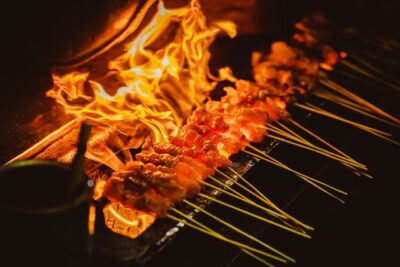
Sambal Streets Kuala Lumpur Food Tour with 15+ Tastings
Read our review →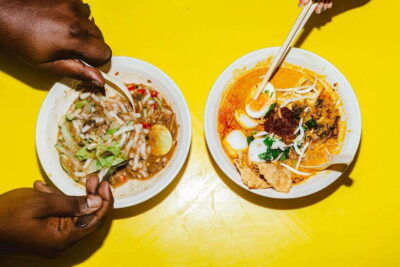
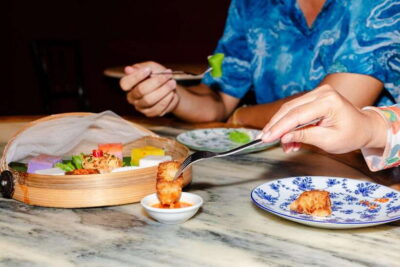
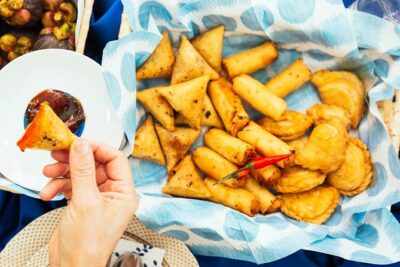
The 10 Tastings of Kuala Lumpur With Locals: Private Street Food Tour
Read our review →
Kuala Lumpur Local Street Food Private Walking Tour by Night
Read our review →
Eat Like a Local: Kuala Lumpur Hawker Center and Street Food Tour by Night
Read our review →
Good Morning Penang Food Tour with 15+ Tastings
Read our review →Browse the lists this tour appears in