
Reviewed · STREET FOOD TOURS
Kuala Lumpur: Sambal Street Food Tour with 15+ Tastings
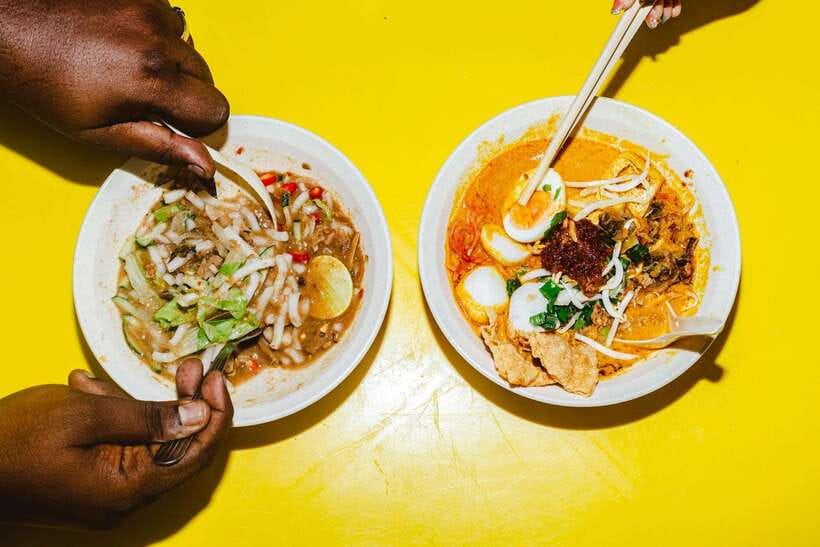
Come hungry, leave happily overwhelmed. This four-hour Kuala Lumpur food walk combines 15 or more tastings with a close look at Chow Kit and Kampung Baru, two areas where everyday Malaysian food still matters more than polished tourist menus. I especially like the small limit of eight people and the guides’ care with spice levels, allergies, and pacing. The main caution is simple: there is a lot of food, and vegetarians, vegans, and people with severe allergies may find the choices limited.
I also like the route’s local feel. You are not simply moving between famous sights with a snack attached. You walk through markets, local eateries, and traditional neighbourhood streets while learning why Malay, Chinese, Indian, and other food traditions meet on one plate. At $53 per person, it is not Kuala Lumpur’s cheapest dinner, but it offers far more than a meal.
In This Review
- Key points before you book
- Why this tour works better than guessing at dinner
- Starting near Hilton Garden Inn South
- Chow Kit market and the ingredients behind the dishes
- Roti canai, curries, and a hands-on food lesson
- Nasi lemak, rendang, and Malaysian comfort food
- Satay, grilled fish, and the power of sambal
- Cendol with durian and the less obvious tastes
- What makes the neighbourhood setting worthwhile
- Price, group size, and what you receive for $53
- The practical details that shape the evening
- Who should book this Kuala Lumpur food walk?
- Should you book it?
- FAQ
- How long is the Kuala Lumpur food tour?
- How many tastings are included?
- Where does the tour meet?
- What language is the tour conducted in?
- How many people are in the group?
- Does the tour include hotel pickup and drop-off?
- Is the tour suitable for vegetarians or vegans?
- What should I bring?
Key points before you book
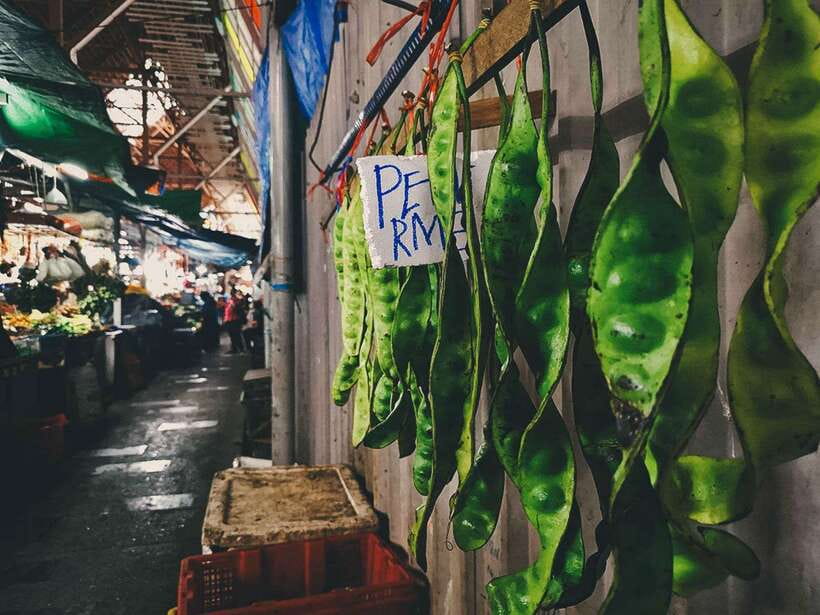
- More than 15 tastings: Expect a full meal spread, from roti canai and nasi lemak to satay, grilled fish, curry, fruit, and dessert.
- A small group of eight: This makes it easier to hear the guide, ask questions, and get help with unfamiliar dishes.
- Chow Kit and Kampung Baru: The walk takes you beyond the usual central tourist circuit and into traditional local areas.
- Guides shape the evening: Kiran, Nadia, Ian, Sam, Steve, Sean, Jay, and others are praised for food knowledge, warmth, humor, and attention to dietary needs.
- Come very hungry: Several people found the quantity generous, and one person felt there was almost too much food.
- Rain or shine: Wear comfortable shoes and carry an umbrella or rain gear.
Why this tour works better than guessing at dinner
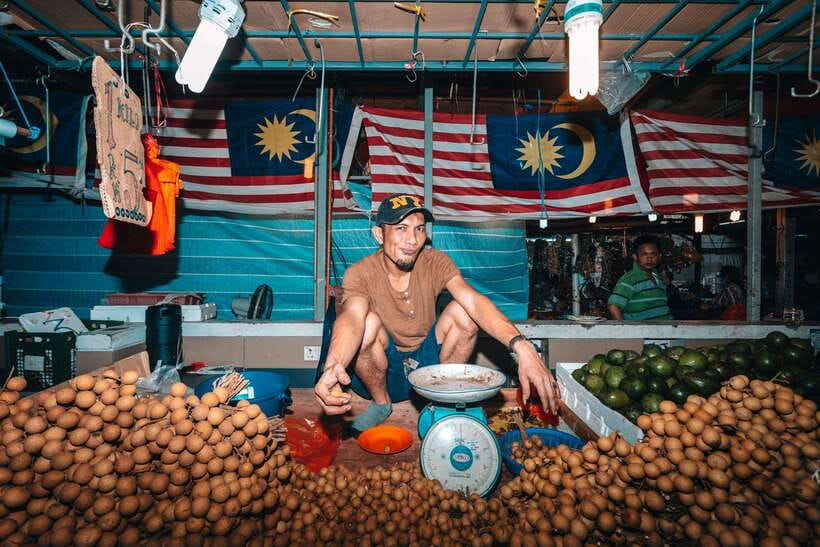
Malaysian food can be confusing at first. A stall might offer several kinds of rice, noodles, curries, grilled meats, sambal, fruit, and sweets, with little English explanation. You can point at something that looks good, but you may not know what it is, how spicy it will be, or which condiment belongs with it.
This tour gives you a guide who can explain those choices as you eat. Kiran, Nadia, Ian, Sam, Steve, Sean, and Jay are among the guides praised for making the food understandable without turning the evening into a classroom. Their role is not just to order dishes. They explain ingredients, cooking methods, local customs, and the links between food and Malaysian life.
I like that balance. You get information, but the evening remains social and relaxed. The strongest experiences seem to come from guides who read the group well. Kiran adjusted dishes for heat tolerance and dietary needs, while Ian was praised for checking allergies at every stop. Sean added stories about Malaysian history, landmarks, and the neighbourhoods along the walk.
The eight-person limit matters here. At a large food tour, the guide can become a voice somewhere in front of you. With eight people, you have a fair chance to ask why a sambal is hot, how roti is made, or what makes one type of laksa different from another.
More Food & Drink in Kuala Lumpur
- Sambal Streets Kuala Lumpur Food Tour with 15+ Tastings
★ 5.0 · 2,438 reviews - The 10 Tastings of Kuala Lumpur With Locals: Private Street Food Tour
★ 5.0 · 249 reviews - Kuala Lumpur Local Street Food Private Walking Tour by Night
★ 4.5 · 224 reviews
Starting near Hilton Garden Inn South
The meeting point is outside the entrance of the Hilton Garden Inn South, on the corner of Jalan Raja Alang and Jalan Tuanku Abdul Rahman. Pay close attention to the word South, since there are Hilton Garden Inn properties in Kuala Lumpur and an incorrect one could make for a poor start.
From there, the walk heads toward local food areas rather than staying among the city’s best-known tourist stops. The route includes parts of Chow Kit and Kampung Baru, with a market walk and stops at eateries used by local residents.
This is a walking tour, so comfortable shoes are not optional. Kuala Lumpur’s heat, sudden rain, wet pavement, and uneven walking surfaces can make a four-hour food outing feel longer if you arrive in sandals that rub or shoes with poor grip.
The tour runs in rain or shine. Bring an umbrella and rain gear, especially if you are visiting during a wetter period. Bottled water is included, but you should still arrive prepared for a warm, humid walk.
Chow Kit market and the ingredients behind the dishes
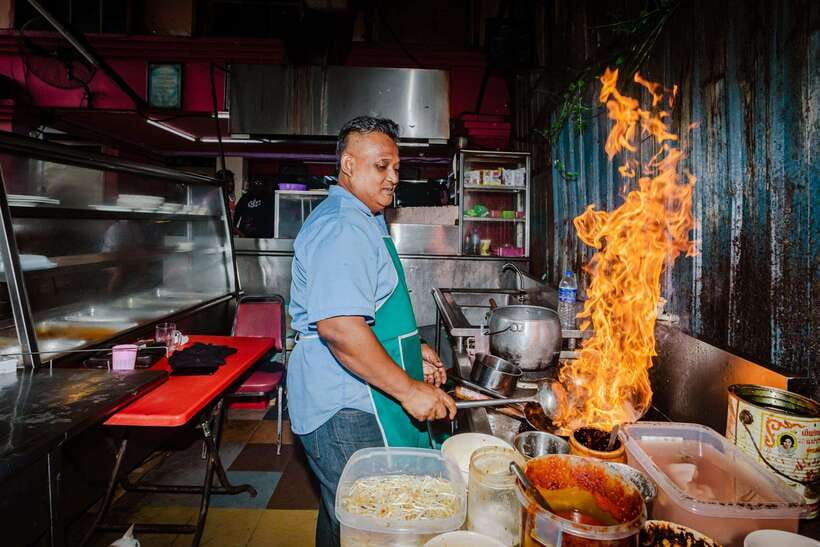
One of the most useful parts of the tour is the market introduction. Instead of meeting each dish only after it reaches the table, you get a look at the produce, herbs, spices, and other ingredients that shape Malaysian cooking.
This gives context to everything that follows. Sambal is not just a hot sauce. Coconut milk, rice, noodles, fresh herbs, seafood, grilled meats, and curry spices each play different roles across Malay, Indian, and Chinese food traditions. A guide can point out how ingredients are used and explain why similar-looking dishes taste so different.
The market walk also helps you understand the neighbourhood as a working part of Kuala Lumpur. This is not a staged food village built for sightseeing. You are seeing the kind of market and local businesses that make the area useful to people who live nearby.
Nikita’s experience began with a market walk, an explanation of popular ingredients, and a short history lesson before the eating began. That order makes sense. You first learn what you are looking at, then taste those ideas in finished dishes.
The market can be noisy, crowded, and warm. That is part of the setting, but it can also make it harder to hear every explanation. One person noted missing some of Sam’s comments because of background noise and distance, suggesting that a microphone or earpiece could help on a premium-priced food tour.
Roti canai, curries, and a hands-on food lesson
Roti canai is one of the most enjoyable stops because it is not simply something placed in front of you. The tour can include a chance to see, and in some cases try, the hand-stretching and flipping technique used to make the flatbread.
The dough is stretched, spun, folded, and cooked until it develops a crisp outside with soft layers inside. It arrives with curry for dipping, and the combination is a good lesson in how texture matters as much as spice.
This stop also brings a useful cultural point into focus. Malaysian food is not one single cuisine. Indian influences are especially clear in dishes such as roti canai, while the broader food scene reflects Malay, Chinese, South Indian, and other traditions living side by side.
You should not expect a full cooking class. The practical element is brief, but it makes the dish easier to remember. After seeing how much skill goes into the bread, you are less likely to treat it as just a cheap side dish.
More Food in Kuala Lumpur
- Eat Like a Local: Kuala Lumpur Hawker Center and Street Food Tour by Night
★ 5.0 · 198 reviews - Kuala Lumpur: Local Street Food Night Tour
★ 4.5 · 162 reviews - Laksa Lanes Kuala Lumpur Food Tour with 14+ Tastings
★ 5.0 · 148 reviews - Kuala Lumpur: Private Food Tour – 10 Tastings with Locals
★ 4.8 · 145 reviews
Nasi lemak, rendang, and Malaysian comfort food
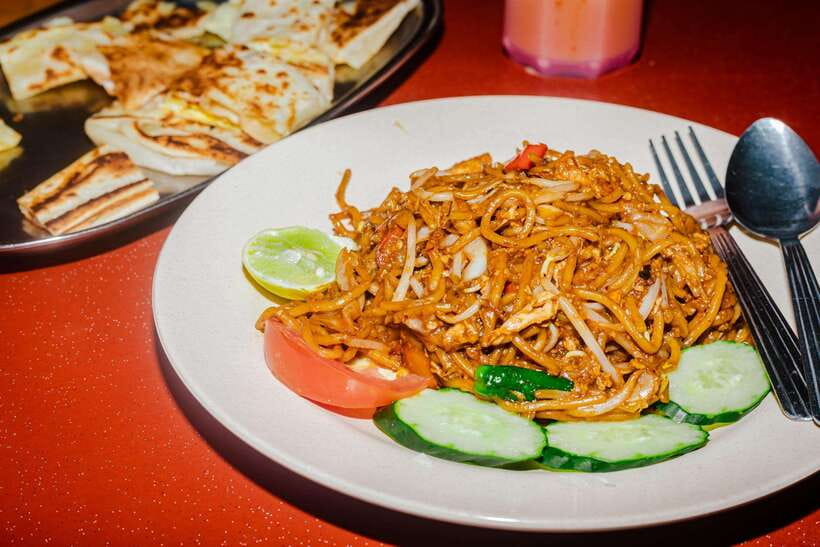
The tour includes familiar classics such as nasi lemak and rendang. Nasi lemak is built around fragrant coconut rice and is often served with sambal and other accompaniments. Rendang brings slow-cooked meat, spices, and a dense sauce that rewards taking your time.
These dishes are useful anchors during a tour with so many tastings. If the menu moved only through unfamiliar items, you could lose track of the basic style of Malaysian food. Familiar classics let you compare what you already know with less obvious dishes later in the evening.
Portions are usually shared rather than served as separate full meals, but the total still adds up quickly. Reviews repeatedly describe the food as plentiful, and one person specifically wished there were fewer dishes because they were too full to finish near the end.
My advice is to eat lightly beforehand. Do not arrive after a large lunch or early dinner. The tour is built as a progressive feast, and the enjoyment depends on having enough room for the later stops.
Satay, grilled fish, and the power of sambal
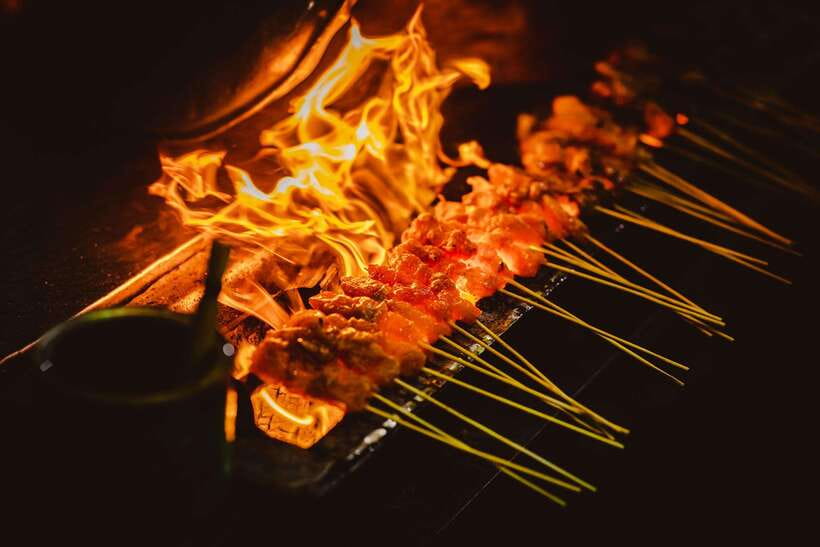
Flame-grilled chicken skewers with peanut satay bring smoke, sweetness, and a savoury peanut sauce to the table. They are familiar enough for cautious eaters, but still worth tasting in a local setting where the cooking and accompaniments may differ from what you have tried elsewhere.
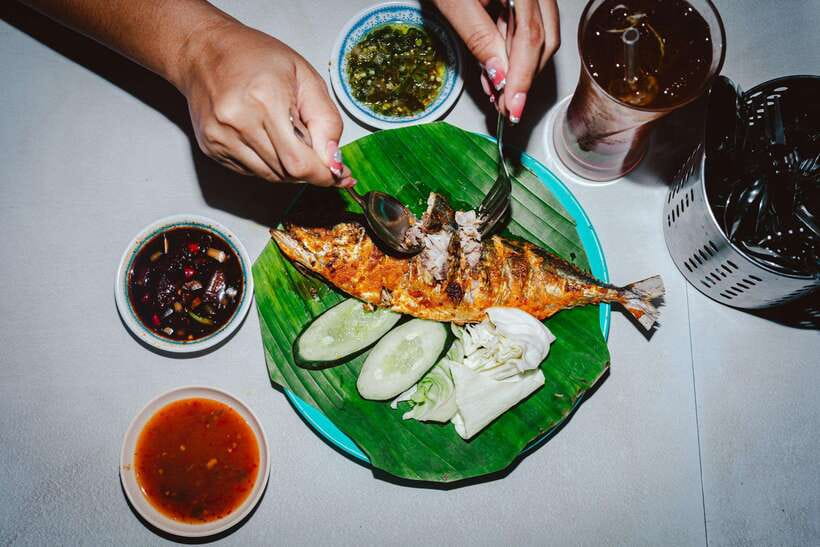
The banana-leaf grilled mackerel is less predictable. It is paired with sambal, so expect a stronger hit of spice and a more pronounced seafood flavour. This is the sort of dish that shows why a local guide helps. You can ask how much sambal to use, which parts of the fish to eat, and how the flavours are meant to work together.
Spice management is one of the tour’s real strengths. Guides such as Kiran and Stephen are praised for checking how much heat people could handle and adjusting orders or portions when needed. That does not make every dish mild, but it gives you a better chance of trying something spicy without ruining the rest of your evening.
The food is not tailored to an anonymous international palate. Some dishes may be hot, fermented, strongly seasoned, or unfamiliar. That is a benefit for adventurous eaters, but you should be honest about your limits when booking.
Cendol with durian and the less obvious tastes
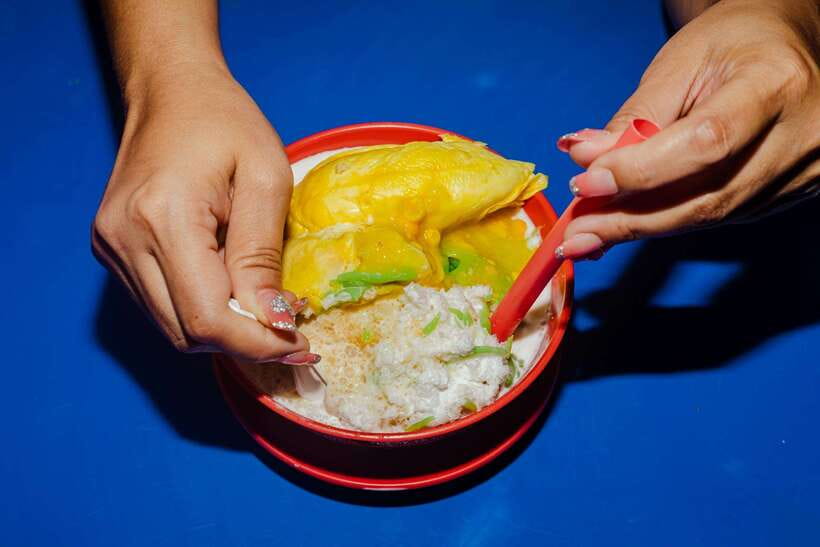
The tour goes beyond the safest Malaysian favourites. Cendol, a cool dessert with shaved ice, coconut milk, syrup, and green rice-flour jelly, can be served with durian. Durian has a strong smell and a custard-like texture, so it divides opinion quickly.
This is not a forced dare. It is a chance to try one of Southeast Asia’s most famous fruits with someone there to explain why it is loved. If you already know that durian is not for you, tell the guide early.
Other tastings can include seasonal fruit, mango shakes, and drinks. One group especially enjoyed finishing with a mango shake, while another described a wide mix of food, drinks, and fruit. These lighter items help break up the rice, bread, meat, and curry.
The dessert stops also show that Malaysian food is not only about chilli and savoury sauces. Cooling sweets and fresh fruit have an important place, especially after a hot walk and a long series of rich dishes.
What makes the neighbourhood setting worthwhile
Kampung Baru is one of the traditional neighbourhood areas included in the route. Its presence changes the mood of the experience. You are not simply eating in an isolated restaurant; you are walking through a part of Kuala Lumpur where older local patterns remain visible alongside the modern city.
You also get a useful contrast between the market activity of Chow Kit and the food culture of Kampung Baru. The walk lets you see how a city’s food identity is tied to streets, small businesses, families, and regular customers.
The setting will not feel polished in the way a high-end restaurant does. You might encounter traffic, noise, humidity, and simple seating. The eateries are described as clean and hygienic, but this is still street food culture, not fine dining.
That is the point. I would choose this setting over a hotel restaurant if you want to understand how Kuala Lumpur eats on an ordinary evening. You trade comfort and quiet for local character and a much broader range of tastes.
Price, group size, and what you receive for $53
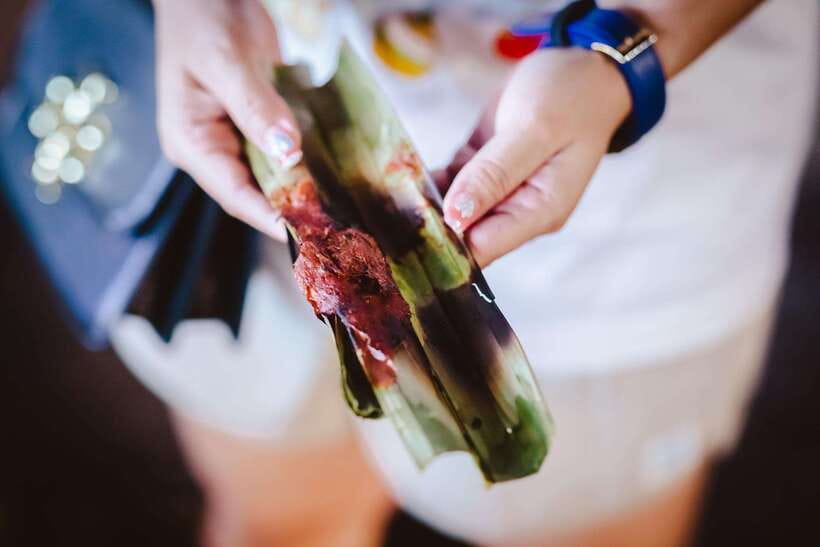
At $53 per person, the tour costs more than buying individual dishes at a market. You are paying for more than the food itself: a four-hour route, a guide, bottled water, explanations, ordering help, and access to places you may not confidently choose on your own.
The value improves if you are new to Malaysian food. A good guide helps you avoid ordering too cautiously, explains what is on the plate, and gives you a reference point for eating on your own later. Ninan specifically found it useful to take the tour early in a Kuala Lumpur visit, before choosing restaurants independently.
The cost may feel less worthwhile if you already know the city’s food scene or prefer to graze at your own pace. The tour has a set route and plenty of food, so you cannot simply stop after two favourite dishes and call it a night.
Small groups help justify the price. The cap of eight allows the guide to monitor spice levels, replace a dish when needed, answer questions, and keep the meal moving. One pescatarian participant received replacements after a mix-up, while other guides helped with lactose intolerance and similar needs.
Still, do not book this expecting broad vegetarian or vegan coverage. The activity information says it is not suitable for vegetarians or vegans, and severe food allergies may be difficult because there are few alternatives at the stops. Tell the provider about dietary needs when booking, but do not assume every restriction can be handled.
The practical details that shape the evening
The tour lasts four hours and is conducted in English. Hotel pickup and drop-off are not included, so you need to make your own way to and from the Hilton Garden Inn South meeting point.
Some guides help with the journey home. Nadia walked one participant to the LRT station, and Kiran helped people work out their best route back. That kind of care is useful, but it should not replace planning your own return.
The tour includes bottled water and 15 or more tastings. Alcohol is not included, and alcohol and drugs are not allowed. Since the tour departs in all weather, bring an umbrella, rain gear, and shoes suited to walking.
Free cancellation is available up to 24 hours before the activity for a full refund. You can also reserve and pay later, which helps if your Kuala Lumpur schedule is still changing.
Who should book this Kuala Lumpur food walk?
I would recommend it most strongly to first-time visitors, curious eaters, and anyone who wants a guided introduction to Malaysian food without spending a week learning by trial and error. Solo visitors can fit in easily, and the small group gives the evening a friendly social structure.
It is also a good choice for people who want culture with their dinner. The guides explain Malaysian history, local traditions, ingredients, and the city as you walk. You get a better sense of why dishes exist, not just a list of their names.
You should think twice if you eat very little, dislike shared tastings, or have strict dietary restrictions. The food is generous, the route is active, and the experience is built around trying meat, seafood, dairy, spice, and strong flavours.
Should you book it?
Yes, if you want a serious introduction to Kuala Lumpur’s food culture and are willing to let the guide lead you beyond familiar dishes. The combination of 15 or more tastings, an eight-person group, Chow Kit and Kampung Baru, and strong guide support gives the tour real value.
Book it early in your stay if possible. You will learn what to order later, how to recognise key ingredients, and which flavours deserve another try. Just arrive hungry, carry rain protection, and be clear about dietary needs before you set out.
FAQ
How long is the Kuala Lumpur food tour?
The tour lasts four hours.
How many tastings are included?
The tour includes more than 15 tastings, along with bottled water.
Where does the tour meet?
Meet outside the entrance of the Hilton Garden Inn South, on the corner of Jalan Raja Alang and Jalan Tuanku Abdul Rahman.
What language is the tour conducted in?
The live tour guide speaks English.
How many people are in the group?
The group is limited to eight participants.
Does the tour include hotel pickup and drop-off?
No. Hotel pickup and drop-off are not included.
Is the tour suitable for vegetarians or vegans?
No. The activity information says it is not suitable for vegetarians or vegans because there are few alternatives at the food stops.
What should I bring?
Bring comfortable shoes, an umbrella, and rain gear. The tour operates rain or shine.
More Street Food Crawls
- Kuala Lumpur by Night and Malaysian Food Tour
★ 4.6 · 19 reviews - Kuala Lumpur’s Nightlife Secrets and Street Food
★ 5.0 · 18 reviews - Kuala Lumpur: Evening Food Tour by Bike
★ 5.0 · 13 reviews - Private Kuala Lumpur Night Market And Food Tour
★ 5.0 · 13 reviews
More Street Food Tours in Kuala Lumpur
- Kuala Lumpur Food Tour Through Chow Kit
★ 5.0 · 88 reviews - Kuala Lumpur: Nightlife Street Food Tour with 6 Tastings
★ 4.6 · 73 reviews - Authentic Malaysian Street Food Tour With 15+ Tastings Near KLCC
★ 5.0 · 68 reviews - Kuala Lumpur Food Tour with 12+ Authentic Dishes & Local Secrets
★ 5.0 · 40 reviews
Just added around Kuala Lumpur
- Historical Melaka Day Tour★ 4.5 · 3 reviews
- AVANI Sepang Goldcoast Resort Hotel To Kuala Lumpur International Airport KLIA KLIA2 Transfer★ 4.5 · 3 reviews
- Best Local Food Tour by Night at Kuala Lumpur★ 3.5 · 3 reviews
- Sunway lagoon Theme Park★ 4.0 · 3 reviews
- Kuala Lumpur Tour Cruise Excursion from Port Klang★ 5.0 · 3 reviews
- Putrajaya: Wetland Studios Admission Ticket★ 3.9 · 3 reviews
- Kuala Lumpur Best Food Tour With A Guide★ 4.5 · 3 reviews
- *10 Hrs Kuala Lumpur Car Tour w’ Tour Guide★ 5.0 · 3 reviews
Street Food Tours, compared.
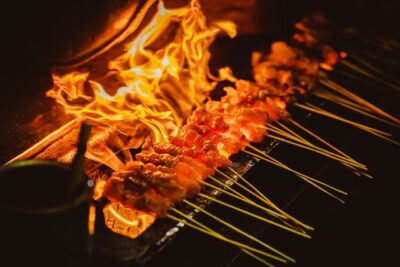
Sambal Streets Kuala Lumpur Food Tour with 15+ Tastings
Read our review →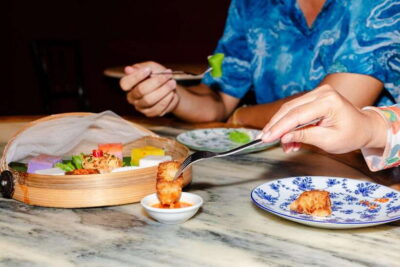
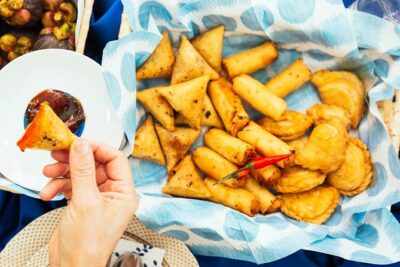
The 10 Tastings of Kuala Lumpur With Locals: Private Street Food Tour
Read our review →
Kuala Lumpur Local Street Food Private Walking Tour by Night
Read our review →
Eat Like a Local: Kuala Lumpur Hawker Center and Street Food Tour by Night
Read our review →
Good Morning Penang Food Tour with 15+ Tastings
Read our review →
Laksa Lanes Kuala Lumpur Food Tour with 14+ Tastings
Read our review →Browse the lists this tour appears in