
Reviewed · CULTURAL VILLAGES
Kota Kinabalu: Mari Mari Cultural Village Tour with Lunch
Culture comes alive in the rainforest here. Mari Mari Cultural Village gives you a lively, well-organized introduction to five Sabah tribes through traditional houses, food samples, craft demonstrations, games, cooking, music, and dance. The setting feels far removed from Kota Kinabalu, though the drive is short enough to fit neatly into a half-day.
I especially like the hands-on activities, from trying Congkak to firing a blowpipe and bouncing on the Murut Lansaran platform. I also like the guides’ personal touch. Eddie and Timmy receive repeated praise for their storytelling, humor, careful driving, and attention to dietary needs. The main consideration is that this is a staged cultural attraction rather than a visit to a remote village, and the forest setting can be hot, wet, and full of mosquitoes.
The tour costs about $67 per person and lasts five hours, including transport, entry, guided visits, performances, and lunch. That is fair value if you want a single, easy introduction to Sabah culture without arranging several separate visits.
In This Review
- Key points before you book
- Why Mari Mari works as a first look at Sabah culture
- The ride from Kota Kinabalu sets the scene
- Bajau House: Congkak, snacks, and an easy start
- Dusun House: bamboo cooking over an open fire
- Rungus House: craft, bark textiles, and material culture
- Murut House: the Lansaran and a chance to join in
- Fire-making and blowpipe hunting: the most hands-on moments
- The performance gives the afternoon a lively finish
- Lunch: a generous reward after the walking tour
- Guide quality is the tour’s biggest strength
- Is $67 good value?
- Practical advice for a smoother visit
- Who should book this cultural village tour?
- FAQ
- How long does the Mari Mari Cultural Village tour last?
- What is included in the price?
- Where is pickup in Kota Kinabalu?
- Which languages are available?
- Does the tour include lunch?
- Can I try the traditional activities?
- Can the tour accommodate dietary restrictions?
- Can I cancel the booking?
Key points before you book
- Five Sabah communities in one visit: See traditional homes and customs associated with Bajau, Dusun, Rungus, Murut, and another indigenous Sabah community.
- Active demonstrations: Make fire, try blowpipe hunting, sample local snacks, watch bamboo cooking, and take part in traditional games.
- A strong guide can shape the day: Eddie and Timmy are frequently praised for clear explanations, humor, history, and thoughtful help.
- Traditional performance included: The final dance show is energetic, colorful, and open to audience participation.
- Lunch is more than a quick snack: You receive a proper local meal, with food labels that can help if you have dietary restrictions.
- Bring mosquito repellent: The rainforest setting is part of the appeal, but insects are a real practical concern.
Why Mari Mari works as a first look at Sabah culture
Sabah is home to many indigenous groups, each with its own customs, clothing, food, architecture, and social traditions. Learning all of that on your own can be difficult during a short stay in Kota Kinabalu. Mari Mari Cultural Village puts several traditions into one compact route.
That format is useful. Instead of spending a day trying to locate separate cultural sites, you move from one traditional house to another with a guide who explains what you are seeing. The tour also shows culture through action. You do not simply look at tools behind glass. You see food prepared over a fire, try a game, handle craft materials, and watch demonstrations tied to everyday life.
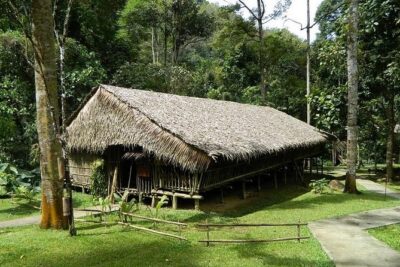
The village sits in a rainforest setting, which adds atmosphere. Paths lead between the homes, and the surrounding greenery makes the experience feel distinct from the city. You should still understand what this place is: a carefully arranged cultural village designed for visitors. It presents traditional practices in a clear and accessible way, but it is not the same as visiting a family home in a working village.
That distinction does not make the visit pointless. In fact, the clear presentation is one of its strengths. You can ask questions, see several traditions in one morning or afternoon, and gain enough background to understand more of Sabah during the rest of your trip.
More Cultural Villages in Kota Kinabalu
- Mari-Mari Cultural Village Tour Including Lunch
★ 4.5 · 45 reviews - Private Tour Kampung Gipsi Sabah Cultural Village Kota Kinabalu
★ 5.0 · 32 reviews - Kota Kinabalu: Mari Mari Village & Bongawan Cruise Package
★ 5.0 · 32 reviews
The ride from Kota Kinabalu sets the scene
Pickup is arranged from Burger King at The Shore, Citadines Waterfront Kota Kinabalu. The two names refer to the same building, next to the Orange convenience store. Your guide contacts you about meeting at the pickup point, so keep your phone available and arrive ready rather than waiting in your room.
The drive is listed as about 20 minutes, though actual journeys can take closer to 35 minutes depending on traffic and the exact route. This short van ride is put to good use. Guides such as Eddie and Timmy often explain Sabah’s past, local communities, and the day’s activities before you arrive.
That early briefing matters. Without it, the stops could feel like a string of colorful demonstrations. With context, you begin to see how housing, food, clothing, tools, and ceremonies connect to the communities being presented.
The transport is also a practical benefit. You avoid arranging a taxi to the village and have a driver who knows the meeting point and return route. Several visitors specifically appreciated punctual pickup and smooth drop-off. The return is to The Shore or Citadines Waterfront, making this easy to pair with other plans in Kota Kinabalu.
Bajau House: Congkak, snacks, and an easy start
The Bajau House is one of the first stops and eases you into the visit with approachable activities. You can try Congkak, a traditional game played with a row of small hollows and counters. It is simple to understand but gives you a direct connection to leisure and social life rather than only ceremonial customs.
You also see Kuih Jala being prepared. This local snack is a useful introduction to Sabah food because the preparation itself is part of the lesson. Samples are offered at several points during the visit, so come ready to try unfamiliar flavors and textures.
The strength of this stop is its friendly pace. You are not expected to absorb a long lecture before doing anything. The possible drawback is that popular demonstrations can become crowded if several groups arrive together. A guide who keeps the group close and explains the details makes a noticeable difference.
Dusun House: bamboo cooking over an open fire
At the Dusun House, you watch bamboo cooking, an old method of preparing food over an open fire. This is one of the more memorable demonstrations because it links local materials, cooking technique, and the practical demands of life in the forest.
The fire gives the stop a strong sense of place, but it also means you should pay attention to where you stand and follow the guide’s instructions. The demonstration is more valuable when you listen to the explanation rather than treating it as a quick photo opportunity.
Food is a major part of this tour, and the cooking demonstrations help explain what later appears at lunch. You see that the meal is not simply a generic buffet added to the package. It connects with the methods and ingredients introduced along the route.
More cultural village visits:
- Sabah: Mari-Mari Cultural Village Visit + Lunch + transfer
★ 4.5 · 16 reviews - Mari Mari Cultural Village
★ 4.5 · 11 reviews - Mari Mari Cultural Village Tour from Kota Kinabalu
★ 5.0 · 6 reviews - Half-Day Mari Mari Cultural Village from Kota Kinabalu
★ 5.0 · 5 reviews
Rungus House: craft, bark textiles, and material culture
The Rungus House focuses on traditional crafts and handmade textiles made from tree bark. This stop helps you notice the work behind clothing and household materials. A finished item can look simple, but the demonstration encourages you to think about how much skill and patience goes into making it.
This is also a quieter contrast to the fire and blowpipe activities. If you enjoy design, weaving, clothing, or handmade objects, give yourself time to look closely. The value is in the explanation of materials and use, not only in the appearance of the finished craft.
You may find that demonstrations move at a set pace, especially when the village is serving several groups. Ask questions when there is a natural pause. Guides are generally happy to add detail, and Eddie is especially praised for answering questions and connecting individual objects to wider Sabah customs.
Murut House: the Lansaran and a chance to join in
The Murut House brings a more physical element to the visit. The Lansaran is a trampoline-like platform used in Murut celebrations. You can see how it works and, depending on the flow of the group, take part.
This is the kind of activity that makes the village more than a walking tour. You are not merely told that celebrations involved movement and communal participation. You get a small sense of the energy involved.
The Murut section also includes henna drawing and blowpipe activities. The henna adds a decorative, social touch, while the blowpipe offers a memorable practical challenge. Do not expect a hunting expedition. It is a guided demonstration and try-it-yourself activity, designed to show how the tool was used.
If you have knee or mobility concerns, tell your guide early. One guide received particular praise for helping a visitor with a knee injury, and another assisted a mother with mobility issues. The village is not presented as a specialist accessible tour, so personal communication with the guide is important.
Fire-making and blowpipe hunting: the most hands-on moments
The fire-making demonstration is a crowd favorite for good reason. Watching a spark become a flame makes an old technique feel immediate. You may also get the chance to try, though the exact amount of hands-on time can depend on group size and timing.
The blowpipe activity is similarly engaging. You learn how the equipment was used for hunting and then test your own aim. It is not as easy as it looks, which makes it a good source of laughs within the group.
These activities work best when you treat them as cultural lessons rather than theme-park tricks. The guide explains the original purpose, while the village staff show the safe way to handle the tools. Children and adults can both enjoy this part, though younger participants should follow instructions closely.
The performance gives the afternoon a lively finish
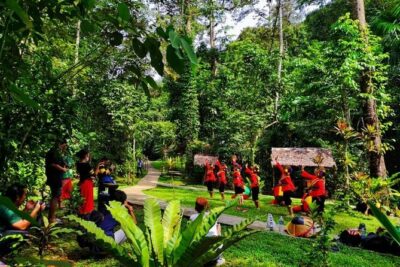
The cultural performance is the tour’s finale and includes traditional dances and clothing. It is energetic, easy to watch, and more entertaining than a static display. You may also be invited to join the dancing, so do not sit too far back if you want to participate.
Several people are pleasantly surprised by the show because it is not always the first thing they expect from a cultural village visit. The dancers bring a strong sense of movement and celebration to the end of the route.
The performance is also a reminder that culture is not only about old tools and houses. Music, dress, rhythm, and group participation remain important ways of presenting identity. The show is prepared for visitors, but it still gives you a memorable look at Sabah’s performing traditions.
Rain does not necessarily ruin the experience. Guides have kept groups engaged during wet weather, though a light rain jacket or compact umbrella would be sensible. The paths and outdoor areas are part of the visit, so check the forecast and dress for changing conditions.
Lunch: a generous reward after the walking tour
Lunch lasts about 30 minutes and is included in the price. The meal is described as a varied spread of Malaysian and traditional native dishes, with several people praising both the range and flavor.
This is more useful than a token meal. After walking between the houses and taking part in activities, you get time to sit down, eat, and ask the guide about unfamiliar dishes. Some guides explain the food as you go, which makes lunch another part of the cultural education.
Dietary needs deserve early attention. One vegan visitor received help identifying suitable food and a special dish, while another found ingredients clearly labeled for a gluten-free diet. This does not mean every restriction is automatically covered, so tell the guide when you are picked up or before the meal.
Thirty minutes is enough for a straightforward lunch but may feel short if you want to linger. The focus is on keeping the half-day schedule moving, not on a long restaurant meal.
Guide quality is the tour’s biggest strength
The village provides the setting, but the guide determines how much you take from it. Eddie is praised again and again for his explanations of Sabah, Malaysia, tribal customs, and present-day political issues. Timmy is also praised for his warmth, history lessons, safe driving, and care with solo visitors.
That matters because the trip begins before you reach the village. A good guide turns the van ride into useful preparation rather than dead time. At the site, the guide can explain why a house is built in a certain way, what a tool was for, or how a food tradition fits into daily life.
Eddie also speaks English and Chinese, and one visitor noted that he handled communication with both Chinese-speaking guests and an English-speaking guest well. The activity lists English and Chinese as available tour languages.
Do not assume you can request a particular guide, but if Eddie or Timmy is leading your departure, you can expect a personal and engaging style based on the repeated praise they receive. They have also helped visitors with mobility problems, remembered group members’ names, and offered practical advice about other Sabah activities.
Is $67 good value?
At about $67 per person, the tour is not the cheapest way to spend half a day near Kota Kinabalu. Its value comes from what is bundled together: return transport, admission, a live guide, five traditional house visits, demonstrations, hands-on activities, a cultural performance, and lunch.
If you arrived independently, you might pay separately for transport, entry, food, and guiding. More importantly, you could miss the explanations that connect the stops. For a first visit to Sabah, that convenience is worth paying for.
The price makes less sense if you prefer unstructured travel, dislike scheduled performances, or want to spend a full day in a living rural community. The village is designed, timed, and presented for visitors. You should book it for a clear introduction, not for an unfiltered account of contemporary village life.
Practical advice for a smoother visit
Wear light clothing suitable for warm, humid conditions and comfortable shoes for walking between the houses. Bring mosquito repellent. One visitor specifically warned that mosquitoes can be persistent in the forest setting.
Keep your phone charged because the guide may contact you about pickup. Meet at Burger King at The Shore or Citadines Waterfront, next to Orange, rather than assuming the guide will collect you from any hotel in the city.
Tell the guide about food allergies, vegan needs, gluten-free requirements, or mobility concerns as early as possible. The staff have shown flexibility, but early notice gives them the best chance to help.
The tour lasts five hours from pickup to drop-off. Starting times vary, so check availability when booking. You can cancel up to 24 hours before departure for a full refund, and the reserve-now, pay-later option lets you hold a place without paying immediately.
Who should book this cultural village tour?
I would recommend Mari Mari Cultural Village to first-time visitors who want a clear, entertaining introduction to Sabah’s indigenous cultures. It is especially suitable if you value a good guide, prefer an organized half-day, enjoy trying food, and want activities rather than a museum-style visit.
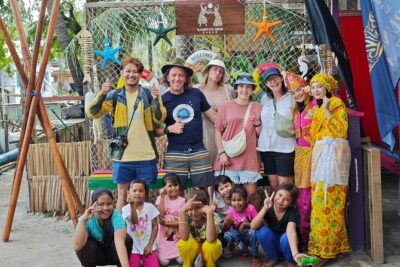
Families can enjoy the games, fire-making, blowpipe, and dance participation. Solo visitors can also fit in comfortably, and the guided format helps people meet others. Food-focused visitors will appreciate the samples and buffet, while photographers will find plenty of colorful clothing, houses, tools, and forest views.
I would hesitate only if your main goal is an unplanned encounter with village life or if you strongly dislike group activities. You should also prepare for mosquitoes, rain, outdoor walking, and a schedule that keeps moving.
For most visitors based in Kota Kinabalu, the package offers a practical and enjoyable look at Sabah culture. Book it if you want history explained in plain language, food you can taste, traditions you can try, and a guide who makes the experience personal.
FAQ
How long does the Mari Mari Cultural Village tour last?
The full experience lasts five hours, including transport, the village visit, lunch, and return drop-off.
What is included in the price?
The price includes entry to Mari Mari Cultural Village, a guided tour, visits to five traditional houses, live demonstrations, hands-on activities, the cultural performance, a traditional meal, and transportation.
Where is pickup in Kota Kinabalu?
Pickup is at Burger King at The Shore, Citadines Waterfront Kota Kinabalu. The meeting point is in the same building, next to the Orange convenience store.
Which languages are available?
The tour is available with a live guide in English or Chinese.
Does the tour include lunch?
Yes. A traditional local meal is included, and the lunch period lasts about 30 minutes.
Can I try the traditional activities?
Yes. The experience includes hands-on activities such as Congkak, blowpipe practice, the Lansaran, and other demonstrations. You may also join the traditional dances.
Can the tour accommodate dietary restrictions?
You should tell the guide about allergies or dietary needs in advance. Food ingredients may be labeled, and assistance with vegan and gluten-free choices has been provided.
Can I cancel the booking?
You can cancel up to 24 hours in advance for a full refund. The reserve-now, pay-later option is also available.
More Lunch Experiences
- Kota Kinabalu: Sapi & Manukan Island Snorkelling with Lunch
★ 4.8 · 90 reviews - Kota Kinabalu: Manukan & Sapi Islands Snorkeling with Lunch
★ 3.7 · 61 reviews - Kota Kinabalu City Tour: Culture & Heritage tour with Lunch
★ 5.0 · 20 reviews - Kota Kinabalu City Tour Cultural & Heritage Tour with Lunch
★ 5.0 · 7 reviews
Just added around Kota Kinabalu
- Kinabalu Park & Poring Hot Springs Tour with Desa Dairy Farm★ 3.5 · 3 reviews
- Kota Kinabalu Half Day City Tour with Professional Tour Guide★ 4.0 · 3 reviews
- Kinabalu Park Day Trip★ 3.5 · 3 reviews
- Full-Day Sepilok Orangutan and Proboscis Monkey from Sandakan or Kota Kinabalu★ 4.5 · 3 reviews
- Kota Kinabalu | Snorkeling Sapi Island/Manukan Island★ 3.1 · 3 reviews
- Kota Kinabalu: Mari Mari Cultural Village Tour★ 5.0 · 3 reviews
- Kota Kinabalu : Snorkeling at Ara Dinawan Private Island★ 3.6 · 3 reviews
- KK Rainforest City Tour★ 5.0 · 3 reviews
Cultural Villages, compared.

Private Tour Kampung Gipsi Sabah Cultural Village Kota Kinabalu
Read our review →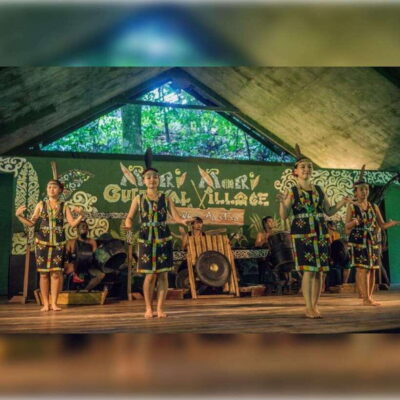
Mari-Mari Cultural Village Visit + Lunch + transfer
Read our review →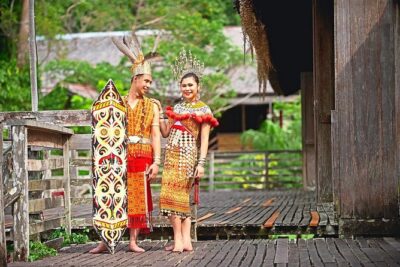

Semenggoh Orangutan Center & Sarawak Cultural Village
Read our review →Browse the lists this tour appears in