
Reviewed · CULTURAL VILLAGES
Mari-Mari Cultural Village Tour Including Lunch
Step into Borneo’s living past. This half-day visit to Mari-Mari Cultural Village gives you a clear introduction to five Sabah communities through traditional homes, craft demonstrations, food tastings, music, and dance. I especially like the house demonstrations, which turn cultural history into something you can see and touch, and the lively performance, which brings the morning to a strong finish.
The tour also includes lunch, high tea, round-trip transport, and an English-speaking driver from central Kota Kinabalu. The main caution is transport: the village experience earns strong praise, but pickup timing, vehicle comfort, and communication can vary. This is a shared outing, not reliably a private tour, despite wording that may suggest otherwise.
In This Review
- Key things to know before you book
- What the Mari-Mari visit is really about
- Starting at 9am from Kota Kinabalu
- Crossing the bridge into Mari-Mari
- Five communities, five different viewpoints
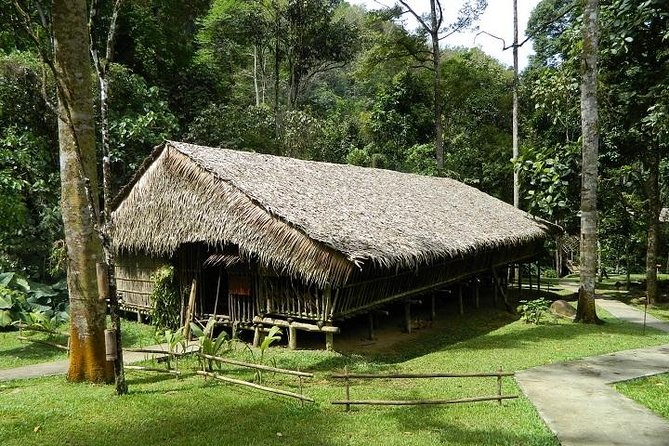
- House tours and demonstrations
- Food tastings, lunch, and high tea
- The cultural show and farewell
- Is $58 good value?
- Rain, comfort, and practical expectations
- Who should book this cultural village tour?
- Should you book Mari-Mari Cultural Village?
- FAQ
- Where is Mari-Mari Cultural Village?
- How long does the tour last?
- What communities are represented at the village?
- Is lunch included?
- Is this a private tour?
- Can I cancel for a full refund?
Key things to know before you book
- Five Sabah communities in one visit: Learn about Dusun, Rungus, Murut, Bajau, and Lundayeh customs, homes, foods, and traditions.
- A hands-on route: Expect demonstrations and tastings rather than a museum-style walk with signs only.
- Food is part of the lesson: Local lunch, high tea, and samples of tribal foods and drinks are included in the experience.
- The cultural guide matters: Guides such as Zul, Mac, Aril, and others have been praised for their energy, humor, and clear explanations.
- Plan for rain: The village setting is outdoors in places, and wet weather can make the paths and activities less comfortable.
- Shared transport needs patience: The maximum group size is 15, and several transport problems have been reported, including late pickups and cramped cars.
What the Mari-Mari visit is really about
Mari-Mari Cultural Village is designed as a walk through Sabah’s older ways of life. Rather than presenting one general version of Borneo culture, it brings together five ethnic groups: Dusun, Rungus, Murut, Bajau, and Lundayeh.
That matters because Sabah is not culturally uniform. Each community has its own stories, building styles, foods, dances, and past. In a single morning, you get a broad introduction to those differences, though you should not expect an in-depth study of every group.
The setting helps. You cross a suspension bridge into the village, pass through a welcome ceremony, and receive an explanation of the village rules before the tour begins. This gives the visit a sense of occasion without requiring a full day away from Kota Kinabalu.
The village is built for demonstration. You are shown how people lived, worked, cooked, and welcomed visitors. The presentation is organized and easy to follow, making it a good choice if you want cultural context without a demanding academic lecture.
More Cultural Villages in Kota Kinabalu
- Kota Kinabalu: Mari Mari Cultural Village Tour with Lunch
★ 5.0 · 152 reviews - Private Tour Kampung Gipsi Sabah Cultural Village Kota Kinabalu
★ 5.0 · 32 reviews - Kota Kinabalu: Mari Mari Village & Bongawan Cruise Package
★ 5.0 · 32 reviews
Starting at 9am from Kota Kinabalu
The usual pickup is at 9am from a centrally located Kota Kinabalu hotel. Round-trip transport is included, along with an English-speaking driver. The total experience is advertised at about five hours, while the village portion is listed at roughly three hours.
That difference is worth noting. The village visit itself takes a large part of the morning, but pickup, traffic, waiting, lunch, and the return drive fill out the rest of the time. I would keep the afternoon flexible rather than schedule a tight connection afterward.
Transport is the weakest part of the package for some people. Pickups have been prompt and well communicated on some days, including updates through WhatsApp. On other days, drivers arrived late, offered little information, or used cars that felt too small for the group.
Families should pay attention here. One account described three people squeezed into the back seat, while another described a group of eight being split because the vehicle could carry only seven. A smoky vehicle and an impatient driver were also reported. These problems do not define the cultural visit, but they can affect your mood before you arrive.
The experience has a maximum of 15 participants. That is small enough to keep the village route manageable, but it does not mean you will have a private guide or vehicle. If you need private transport, confirm that in writing before paying.
Crossing the bridge into Mari-Mari
On arrival, you receive a briefing before entering. The welcome begins with an introduction from the village chief and a customary ceremony. You then cross the suspension bridge, which provides a memorable transition from the modern road into the village setting.
The bridge is not the main attraction, but it sets the tone. This is a staged cultural village, not an untouched settlement, and the presentation is meant to help you understand traditional life through carefully arranged buildings and demonstrations.
That distinction is useful. You are getting an educational cultural show, not a chance to observe ordinary village life without a script. For many people, that structure is a strength because you see several customs in a short time. If you prefer quiet, independent exploration, the organized format may feel a little controlled.
Five communities, five different viewpoints
The village represents the Dusun, Rungus, Murut, Bajau, and Lundayeh communities. Each stop offers its own story and traditional practices, with guides explaining how homes, food, drinks, and daily tasks fit into local life.
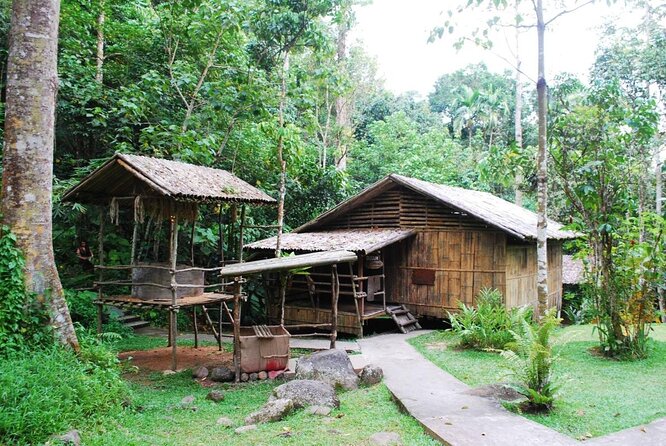
The appeal is the variety. You might move from one traditional house to another, learning how building design reflects the needs and customs of a particular group. The demonstrations give the explanations a practical edge, and food sampling adds another way to remember the differences.
The Murut section often draws interest because it connects with stories of headhunting, a subject frequently associated with Borneo’s past. The presentation is aimed at education, not shock. Guides explain the historical setting while keeping the experience suitable for families.
The Dusun, Rungus, Bajau, and Lundayeh sections add a wider view of Sabah. The tour does not treat one group as the single face of the region. Instead, it shows that local identity is made up of many communities with distinct traditions.
The route can feel busy. Groups sometimes overlap at the houses or demonstrations, which means you may hear another guide nearby or wait for space at a stop. That is a normal tradeoff of a popular, tightly planned cultural attraction.
More cultural village visits:
- Sabah: Mari-Mari Cultural Village Visit + Lunch + transfer
★ 4.5 · 16 reviews - Mari Mari Cultural Village
★ 4.5 · 11 reviews - Mari Mari Cultural Village Tour from Kota Kinabalu
★ 5.0 · 6 reviews - Half-Day Mari Mari Cultural Village from Kota Kinabalu
★ 5.0 · 5 reviews
House tours and demonstrations
The house tour is the heart of the morning. You move through traditional homes while the guide explains construction, domestic life, and customs. Demonstrations show how certain tasks were carried out, making the visit more active than simply looking at old objects.
I like this part because it connects large ideas to small details. Instead of only hearing about a community’s past, you see the spaces where people cooked, rested, stored things, and welcomed others.
The guides make a big difference. Zul has been praised for being funny and informative, while Mac was singled out for making the day enjoyable. Aril was also praised for taking good care of the group and explaining the culture clearly.
The best guides keep the mood light without turning the subject into a joke. That balance is important. You want an experience that is friendly and accessible, but you also want the traditions treated with respect.
Allow yourself time to listen rather than rush for photographs. The demonstrations are short, and the village covers several communities. If you are trying to photograph every building, you may miss the explanations that make the stop worthwhile.
Food tastings, lunch, and high tea
Food is one of the more memorable parts of this visit. You can sample local foods and drinks associated with the communities represented in the village. This may include different beverages and small tastes before the main meal.
That tasting turns the cultural lesson into something personal. Flavors and preparation methods often stay with you longer than a list of dates or names. It also gives you a chance to try several items without committing to a full serving of something unfamiliar.
Lunch is included in the tour information, along with high tea. Some accounts describe a good meal with many choices, while another says the lunch was a modern local meal rather than food served inside the village. A separate complaint says lunch was not provided at all.
Because of those conflicting experiences, I would confirm the lunch arrangement with MAM Holidays Malaysia before departure. The stated package includes lunch, but the exact venue, menu, and serving setup may vary. Food and drinks beyond what is included are not covered.
Food can also disappear quickly when several groups arrive together. Take what you would like when it is offered, but do not expect a slow restaurant meal with unlimited time at the buffet.
The cultural show and farewell
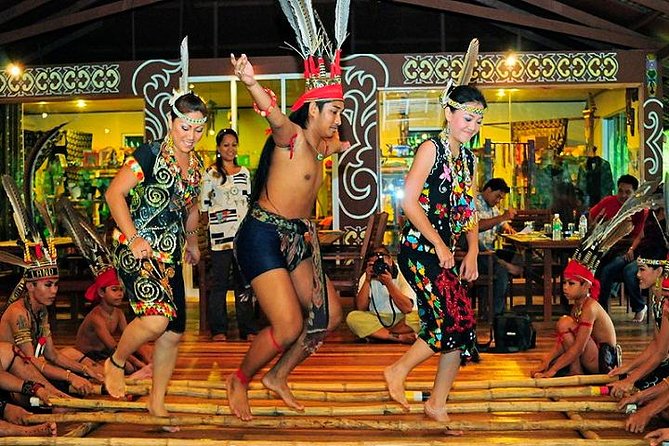
The dance and music performance gives the visit its most theatrical moment. The guides and performers are described as lively, and the show is often praised as entertaining, interactive, and suitable for families.
You get a visual sense of the communities’ traditions through movement, sound, and costume. After the house visits and food samples, the performance provides a clear ending to the cultural portion.
It is best to approach the show as a presentation prepared for visitors. That does not make it worthless. Done well, a performance can preserve and explain traditions in a way that is easy for children and first-time visitors to understand.
After the performance, you say farewell to the villagers and leave the village setting for the return trip to Kota Kinabalu. If lunch is served before departure, expect the schedule to follow the group rather than your own preferred pace.
Is $58 good value?
At $58 per person, the package includes transport, admission, a guide, house demonstrations, cultural activities, the performance, lunch, and high tea. On paper, that is a fair bundle for a five-hour outing, especially if you value the convenience of hotel pickup and do not want to arrange transport yourself.
The cultural portion is where the money makes sense. You receive a structured introduction to five communities, a series of demonstrations, food tastings, and a performance. Guides such as Zul, Mac, and Aril have added real value through humor, care, and clear explanations.
The transport value is less certain. Several people felt the ride added little and suggested arranging a separate ride to the village instead. If you are comfortable organizing your own transport and buying entry directly, compare the total cost before booking.
For families, couples, and first-time visitors to Sabah, the package can still be worthwhile because it removes planning work. For solo visitors, check the booking terms carefully. One solo participant said the price required payment for two people, which made the arrangement feel poor value.
The 4.4 rating from 45 reviews suggests a generally positive experience with some sharp complaints. In plain terms, most of the praise is aimed at the village and its guides, while most of the criticism concerns the operator’s transport and communication.
Rain, comfort, and practical expectations
Bring an umbrella or rain protection. The village has outdoor paths and open-air areas, and heavy rain can affect the walking route. Rain has made some visits harder, but it can also make the jungle setting feel more convincing and atmospheric.
Cheap ponchos are reportedly available at the village if you need one. Still, I would not rely on finding the right size or color, so pack your own light rain layer if the forecast looks uncertain.
Wear shoes that can handle wet ground. The route includes a suspension bridge and village paths, and the weather can change the comfort level quickly. Because the experience lasts several hours, simple practical clothing will serve you better than anything formal.
The tour is listed as suitable for most participants. No special physical requirements are stated, but you should be prepared for walking between houses, standing during explanations, crossing the bridge, and managing a full morning of activities.
Who should book this cultural village tour?
I would recommend it to families who want an easy introduction to Sabah’s cultures. The demonstrations, food samples, stories, and dance show give children several ways to stay interested.
It also suits first-time visitors who want context before exploring more of Borneo. You will not learn everything in three hours, but you will leave with a better understanding of the region’s cultural variety.
It is a good match for people who value a planned route and included transport. You can hand the morning over to a guide and focus on the experience instead of arranging admission, food, and a return ride.
I would be more cautious if you are booking around a cruise departure, flight, or other fixed deadline. One booking was cancelled at pickup time because the operator said there were too many people, leaving no useful alternative for a ship passenger. Confirm the timing well ahead and keep written communication.
I would also hesitate if you strongly dislike group schedules. The village can be busy, groups may overlap, and you may need to wait for others. The wording about a shared tour for you and your party should not be read as a guarantee of a private outing.
Should you book Mari-Mari Cultural Village?
Book it if your priority is the village itself. The house tours, demonstrations, food tastings, and performance offer a friendly and useful introduction to Sabah’s Dusun, Rungus, Murut, Bajau, and Lundayeh communities. The strongest part of the morning is the cultural guiding, especially when you are paired with an energetic guide such as Zul, Mac, or Aril.
Book with care if transport is important to you. Confirm pickup time, vehicle arrangements, group size, and the exact lunch plan before departure. If you need a private vehicle or must return by a strict hour, a direct arrangement may offer better control.
My call: this is a worthwhile cultural outing at a reasonable price, but the village deserves more confidence than the transport operation. Go for the demonstrations and performances, and build in patience for the ride.
FAQ
Where is Mari-Mari Cultural Village?
Mari-Mari Cultural Village is near Kota Kinabalu in Sabah, Malaysia. The tour provides pickup and drop-off at centrally located Kota Kinabalu hotels.
How long does the tour last?
The experience lasts approximately five hours, with about three hours listed for the Mari-Mari Cultural Village portion.
What communities are represented at the village?
The village represents the Dusun, Rungus, Murut, Bajau, and Lundayeh communities.
Is lunch included?
Yes. The tour information includes a local lunch and high tea. The exact lunch arrangement may vary, so confirm the details before departure.
Is this a private tour?
No private-tour guarantee is given. The experience is shared and has a maximum of 15 participants, although the booking wording may refer to you and your party traveling together.
Can I cancel for a full refund?
You can cancel at least 24 hours before the local start time for a full refund. Cancellations or changes made within 24 hours are not refunded or accepted.
More Lunch Experiences
- Kota Kinabalu: Sapi & Manukan Island Snorkelling with Lunch
★ 4.8 · 90 reviews - Kota Kinabalu: Manukan & Sapi Islands Snorkeling with Lunch
★ 3.7 · 61 reviews - Kota Kinabalu City Tour: Culture & Heritage tour with Lunch
★ 5.0 · 20 reviews - Kota Kinabalu City Tour Cultural & Heritage Tour with Lunch
★ 5.0 · 7 reviews
Just added around Kota Kinabalu
- Kinabalu Park & Poring Hot Springs Tour with Desa Dairy Farm★ 3.5 · 3 reviews
- Kota Kinabalu Half Day City Tour with Professional Tour Guide★ 4.0 · 3 reviews
- Kinabalu Park Day Trip★ 3.5 · 3 reviews
- Full-Day Sepilok Orangutan and Proboscis Monkey from Sandakan or Kota Kinabalu★ 4.5 · 3 reviews
- Kota Kinabalu | Snorkeling Sapi Island/Manukan Island★ 3.1 · 3 reviews
- Kota Kinabalu: Mari Mari Cultural Village Tour★ 5.0 · 3 reviews
- Kota Kinabalu : Snorkeling at Ara Dinawan Private Island★ 3.6 · 3 reviews
- KK Rainforest City Tour★ 5.0 · 3 reviews
Cultural Villages, compared.

Private Tour Kampung Gipsi Sabah Cultural Village Kota Kinabalu
Read our review →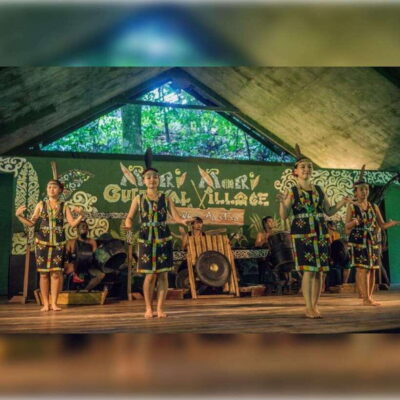
Mari-Mari Cultural Village Visit + Lunch + transfer
Read our review →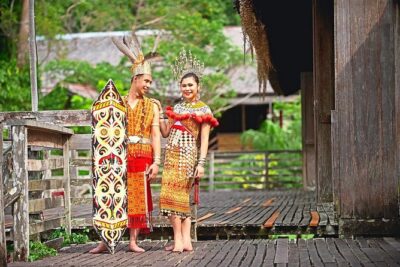

Semenggoh Orangutan Center & Sarawak Cultural Village
Read our review →Browse the lists this tour appears in